Cozy Nursery Lighting: Fabric Shade Pendant Light
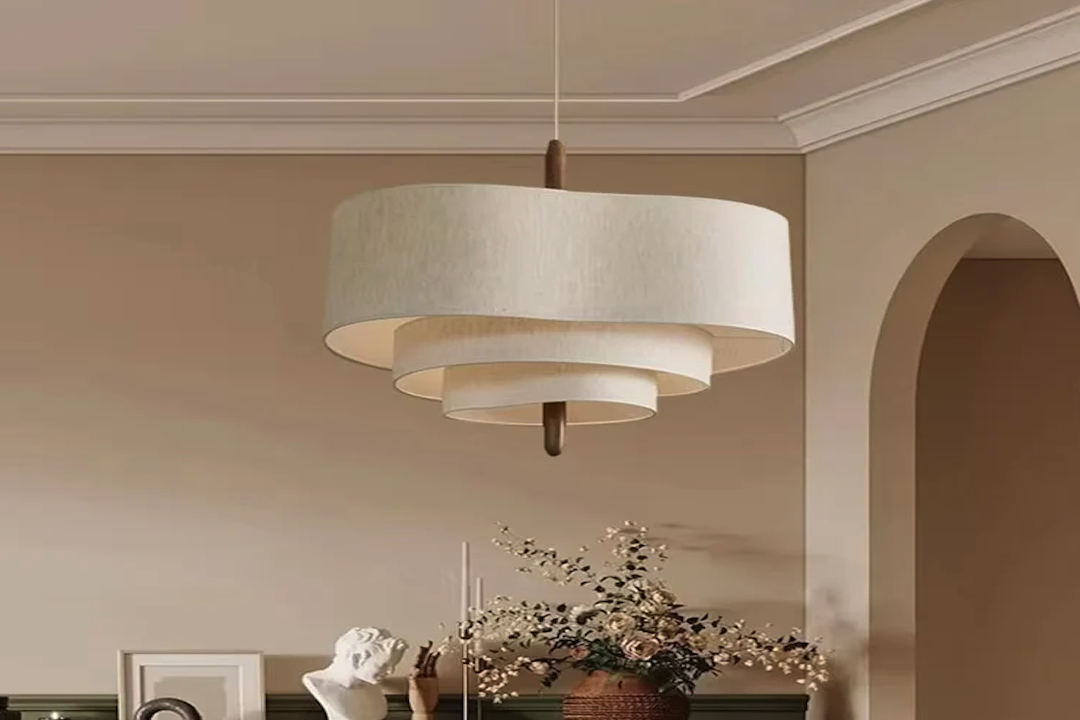
When considering lighting for a nursery, a fabric shade pendant light offers a practical and aesthetically pleasing solution. It provides a soft, diffused light that is gentle on a baby’s eyes, while also contributing to a warm and calming atmosphere. Unlike harsh overhead lights or bright task lamps, a pendant with a fabric shade filters the light, creating a glow that’s ideal for a space where rest and comfort are paramount. This type of fixture is versatile, coming in a variety of styles and colors to complement different nursery themes, and can be adjusted in height to suit the room’s layout and your specific needs. Ultimately, it’s a good choice for creating a cozy, functional, and safe environment for your little one.
Choosing the right lighting Condepot for a nursery isn’t just about aesthetics; it’s about functionality and creating the right environment. Fabric shade pendant lights tick a lot of boxes for this specific purpose. They offer a unique blend of softness, flexibility, and safety that other lighting types often can’t match.
Gentle on Little Eyes
A baby’s eyes are still developing and are more sensitive to bright light than an adult’s. Direct, unfiltered light can be jarring and uncomfortable for them, especially during nighttime feedings or diaper changes.
- Diffused Illumination: Fabric shades naturally diffuse the light, scattering it evenly throughout the room rather than concentrating it in a harsh beam. This reduces glare and creates a softer, more distributed light source.
- Reduced Shadows: Harsh lighting often creates sharp, unsettling shadows. The diffused light from a fabric pendant minimizes these, contributing to a more calming visual environment for your baby.
- No Direct Line of Sight: When properly positioned, a pendant light hung above the crib or changing table will generally be out of a baby’s direct line of sight while they are lying down. This prevents them from staring directly into a light source, which can be irritating.
Creating a Soothing Ambiance
The atmosphere in a nursery plays a significant role in a baby’s ability to fall asleep and feel secure. Lighting is a key element in establishing this mood.
- Warmth and Comfort: Fabric, by its very nature, brings a sense of warmth and texture to a space. When light passes through it, the fabric shade enhances this warmth, creating a cozy and inviting glow. This contrasts with the cooler, more sterile light often emitted by fixtures made of metal or glass.
- Sensory Input: The soft glow and gentle shadows contribute to a multisensory experience that promotes relaxation. It’s less stimulating than bright lights, helping to signal to the baby that it’s time to wind down.
- Consistency for Routines: Using this type of subtle lighting for nighttime routines—like reading a bedtime story or a final feeding—can help establish a consistent cue for sleep. The familiarity of the soft light can become a part of the soothing ritual.
Versatility in Design and Placement
Pendant lights, especially those with fabric shades, offer a good degree of flexibility when it comes to integrating them into a nursery’s design and layout.
- Numerous Styles and Shapes: Fabric shades come in an expansive range of styles, from simple drum shapes to more intricate pleated designs, and various geometric forms. This variety allows you to find a pendant that complements your chosen nursery theme, whether it’s minimalist, whimsical, or traditional.
- Color and Pattern Options: Beyond shape, the fabric itself offers a spectrum of colors and patterns. You can choose a solid color that matches your decor, or a gentle pattern that adds visual interest without being overly stimulating. The fabric also allows for unique textures, from linen to silk-blend, adding another layer to the room’s aesthetic.
- Adjustable Height: Most pendant lights are designed with adjustable cords or rods, allowing you to set the height of the fixture to suit the room’s ceiling height and the specific area it’s illuminating. This is useful for avoiding glare and ensuring the light is positioned optimally.
Practical Considerations for Installation and Use
While fabric shade pendants are a good choice, there are practical aspects to consider before and during installation to ensure they are safe and functional in a nursery.
Safety First
When dealing with lighting in a child’s space, safety should always be the priority.
- Secure Installation: Ensure the pendant is securely fastened to the ceiling according to manufacturer instructions and local electrical codes. A wobbly or poorly installed fixture is a hazard, especially in an earthquake-prone area or if the pendant is heavy. If you’re unsure, it’s always best to hire a qualified electrician.
- Out of Reach: The pendant light should be hung at a height where it is well out of your baby’s reach, even when they start to stand or eventually climb. A curious toddler can pull at cords or hot bulbs. Consider the possibility of someone tossing a toy – you don’t want it to hit and damage the fixture.
- Bulb Type and Heat: Opt for LED bulbs. They are significantly cooler to the touch than incandescent or halogen bulbs, greatly reducing the risk of burns if a curious hand were to somehow reach the shade or bulb. LEDs are also energy-efficient and have a longer lifespan, meaning less frequent bulb changes.
- Cord Management: If the pendant has a visible cord, ensure it is shortened and secured so there are no dangling loops that could pose a strangulation risk. Cord covers or channeling can be used to keep cords flush against the ceiling or wall.
Strategic Placement for Optimal Lighting
Where you hang the pendant light can significantly impact its effectiveness and the overall feel of the nursery.
- Central Overhead Lighting: A centrally placed pendant can provide general ambient light for the entire room. This is often the primary light source and should be diffuse enough to not be harsh from any angle.
- Above the Changing Station: Placing a pendant directly over the changing table can provide focused, yet soft, light for diaper changes without being overly bright and startling for the baby. Make sure the height is adjusted so that the light illuminates the surface without shining directly into the baby’s eyes when they are lying down.
- Near the Rocking Chair/Glider: A pendant positioned above or slightly to the side of a rocking chair or glider can offer a cozy glow for nighttime feedings, lullabies, and reading bedtime stories. It provides enough light for you to see what you’re doing without fully waking the baby.
- Avoiding Crib Proximity: While tempting to hang it directly over the crib for decorative reasons, it’s often better to avoid this. Not only can it be a safety concern (as mentioned above), but a direct overhead light, even diffused, can still feel imposing to a baby lying on their back. It’s often better to have the light slightly off-center or rely on other light sources near the crib.
Lighting Layers: Beyond the Pendant
While a fabric shade pendant can be the star of your nursery lighting, a well-lit room often benefits from a layered approach. Combining different types of lighting creates flexibility and allows you to adjust the ambiance for various activities.
Ambient Lighting Contribution
The pendant light serves as a crucial component of the ambient lighting layer, providing overall illumination.
- Foundation: It sets the baseline brightness for the room. With a fabric shade, this baseline is inherently soft and gentle, which is perfect for a nursery.
- Even Distribution: A well-chosen and placed pendant helps ensure that the room isn’t left with large, shadowy areas, contributing to a sense of openness and security.
- Primary Source: For many nurseries, a fabric shade pendant can be considered the primary source of general light, establishing the mood before other lights are even turned on.
Complementary Task Lighting
Even with a good ambient light source, there will be times when you need more focused illumination for specific tasks.
- Changing Table Lamp: A small, shaded table lamp or a wall-mounted sconce near the changing table can provide targeted light directly where you need it for diaper changes, without having to turn on the brighter overhead pendant. Look for options with a dimmer or multiple light levels.
- Reading Nook Light: A floor lamp with a fabric shade or a wall-mounted swing-arm lamp beside the rocking chair or glider offers focused light for reading bedtime stories to your baby. This helps protect your own eyesight while keeping the rest of the room dimly lit. The key is to direct this light downwards, not across the room.
- Night Lights: A very low-wattage night light can be invaluable for late-night checks or trips to the nursery. These should provide just enough light to navigate without disturbing the baby’s sleep cycle. Some even project soothing patterns on the ceiling.
Accent Lighting for Mood and Comfort
Accent lighting adds warmth and can highlight specific features, making the room feel even more inviting.
- Dimmable Options: Having a dimmer switch for your fabric pendant light is incredibly useful. It allows you to adjust the brightness from a soft glow for winding down to a brighter setting for playtime or cleaning. This versatility is often overlooked but extremely valuable.
- String Lights: Battery-operated string lights (ensure they are safely out of reach and not a strangulation hazard) can create a magical, whimsical touch along a shelf, window, or even draped around the crib (again, away from the baby’s grasp). Their very low light output is purely for ambiance.
- LED Strips: Hidden LED strips behind shelves or furniture can provide a soft, indirect glow that highlights architectural features or display items without adding direct light. These are typically low heat and very safe.
Choosing the Right Fabric and Shade Style
The aesthetic appeal of a fabric shade pendant lies in the variety of materials and designs available. Making a selection that fits your nursery’s style and practical needs is important.
Material Matters
The type of fabric affects not only the look but also how the light is diffused and maintained.
- Cotton/Linen: These are popular choices for their natural look, durability, and breathability. They offer a warm, slightly textured diffusion of light and are often easy to clean (some shades have removable covers). They suit a wide range of nursery themes, from rustic to Scandinavian.
- Silk/Silk Blends: For a more luxurious and refined look, silk or silk-blend fabrics create a softer, more elegant glow. They often have a subtle sheen that adds a touch of sophistication. Be aware that these typically require more delicate cleaning.
- Pleated Fabrics: Pleated shades add a unique textural element and can create interesting light patterns as the light folds through the pleats. They impart a classic or even whimsical feel depending on the pleat style and fabric choice.
- Paper/Woven Materials: While not strictly fabric, some natural paper or woven shades (like rattan or bamboo) offer a similar soft diffusion. These can be excellent for organic, nature-themed nurseries, adding texture and warmth. Their light filtering can be more patterned or porous than solid fabric.
Shade Shape and Size
The shape and size of the pendant shade will dictate its visual impact and how light is distributed.
- Drum Shades: These are classic cylindrical shapes that offer a clean, contemporary look. They diffuse light evenly in all directions (up, down, and out), providing good ambient illumination. They are very versatile and fit well in most nursery designs.
- Empire Shades: Tapering from a wider bottom to a narrower top, empire shades have a more traditional or transitional feel. They direct more light downwards, making them good for focusing light on a specific area while still providing general ambient glow.
- Globe/Spherical Shades: Round fabric shades offer a soft, universal aesthetic. They provide very even light distribution and their lack of sharp edges can feel particularly gentle and inviting in a nursery.
- Geometric Shapes: For a more modern or playful nursery, consider fabric shades in unique geometric forms like cubes, teardrops, or irregular shapes. These can act as a sculptural element in the room while still providing soft light.
- Size Proportion: Ensure the size of the pendant is proportionate to the room. A too-small pendant will get lost, while an oversized one can overwhelm the space and potentially look out of place. Consider the ceiling height – a larger pendant might work better in a room with higher ceilings, while a more compact one is suitable for standard heights.
Maintenance and Longevity in a Nursery
A nursery is a high-traffic, evolving space. It’s important to consider how your chosen fabric shade pendant will stand up to daily life and how to keep it clean.
Keeping it Clean
Fabric shades, by their nature, can attract dust and occasionally need more attention than smooth surfaces.
- Regular Dusting: The easiest way to maintain a fabric shade is to dust it regularly. Use a soft brush attachment on your vacuum cleaner on a low setting, or a lint roller, to gently remove surface dust. This prevents buildup and keeps the light looking fresh.
- Spot Cleaning: For small marks or smudges, spot cleaning with a damp cloth and a mild detergent (test on an inconspicuous area first) might be possible. Be careful not to saturate the fabric, as this can leave water marks.
- Professional Cleaning: For heavily soiled or delicate fabrics, professional dry cleaning may be an option, but this often requires removing the shade completely, which isn’t always practical. Check the manufacturer’s cleaning instructions carefully.
- Fabric Treatments: Some fabric shades come with stain-resistant treatments, which can be a good option for nurseries where spills and mishaps are common. Inquire about these features if available.
Durability and Longevity
Nursery items need to be robust enough to withstand the wear and tear of daily use.
- Sturdy Frame: Check the construction of the shade’s frame. It should be made of durable metal (e.g., steel, aluminum) to ensure it holds its shape over time and can withstand minor impacts.
- Quality Fabric: A good quality fabric will resist fading, stretching, and tearing. Consider fabrics with a tighter weave for better durability.
- Timeless Design: While themes are fun, choosing a fabric shade with a relatively timeless design or a neutral color allows it to grow with your child or transition easily if you repurpose the room later. You can always change other decor elements more easily than a light fixture.
- Ease of Bulb Replacement: Ensure the design of the pendant allows for easy and safe replacement of light bulbs, as this will be a regular task over its lifespan.
In conclusion, a fabric shade pendant light is a thoughtful and practical choice for a nursery. It provides the soft, diffused illumination essential for a baby’s comfort and development, all while contributing to a warm and inviting atmosphere. By considering safety, strategic placement, layering with other light sources, and selecting appropriate materials, you can create a functional, aesthetically pleasing, and cozy space for your little one to grow.


You May Also Like

Enhance Your Living Room with a Modern Porcelain Chandelier
Choosing a Pendant Lamp Meaning for Your Home