Antique Charm: Vintage Milk Glass Chandelier for Elegant Dining
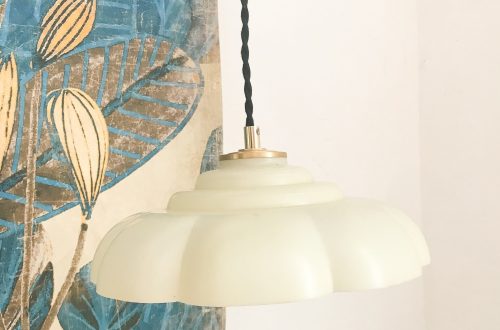
Thinking about adding a touch of old-world elegance to your dining space? A vintage milk glass chandelier is a fantastic way to do it. These beautiful fixtures, with their characteristic opaque white glass, can instantly transform a room, offering both practical lighting and a whole lot of charm. They bring a soft, diffused light that’s perfect for a dining table, creating an inviting and warm atmosphere without being too bright or harsh.
Milk glass, in its essence, is opaque white glass. But that simple description belies its character and history. It’s often mistaken for porcelain or china due to its smooth, almost ceramic-like finish. For chandeliers, this translates into a unique aesthetic.
The History of Milk Glass
Originating in 16th-century Venice, milk glass was initially developed as an imitation of porcelain, which was highly prized and expensive. It gained significant popularity in the 19th century, particularly during the Victorian era and into the early to mid-20th century, becoming a staple in American homes. You’ll find it in everything from decorative plates and vases to the very chandeliers we’re discussing. Its affordability and versatility made it a favorite, and its enduring appeal is a testament to its timeless design.
The Special Glow
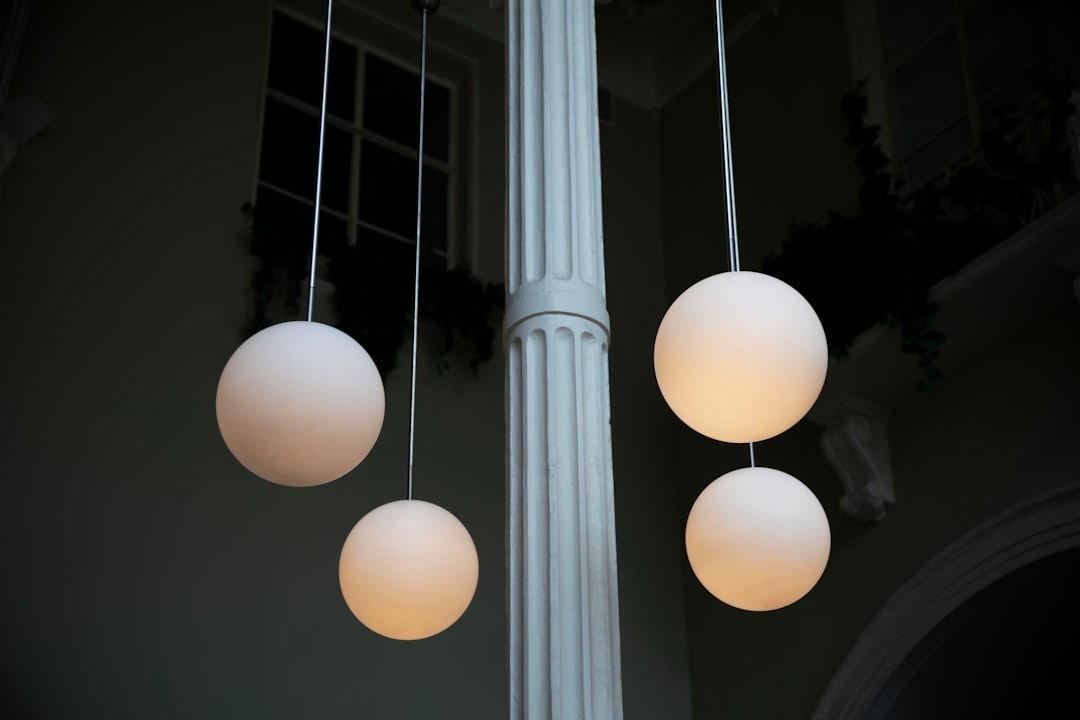
One of the key reasons milk glass works so well for lighting Ozojo is how it interacts with light. Unlike clear glass, which can create glare or harsh shadows, milk glass diffuses light beautifully. This diffusion results in a soft, ambient glow that’s incredibly flattering. Imagine dining under this kind of light – it’s perfect for setting a relaxed and intimate mood, making food look appealing and faces appear warm and inviting.
Finding Your Perfect Vintage Milk Glass Chandelier
The hunt for a vintage chandelier can be an adventure. It’s important to know what you’re looking for to ensure you get a quality piece that fits your style.
Where to Look
You’ve got a few main avenues for finding these treasures:
- Antique Shops and Malls: These are prime locations. You can sometimes haggle on price, and you get to see the fixture in person. The downside is that inventory can be hit or miss, and prices might be higher due to overhead.
- Estate Sales: Another excellent source for genuine vintage pieces. You might find a bargain, but be prepared for swift decisions and potentially “as-is” sales.
- Online Marketplaces (Etsy, eBay, 1stDibs): These platforms offer a vast selection, often from specialized dealers. You can filter by style, price, and condition. The advantage is convenience and selection, but you can’t physically inspect the item, and shipping can be a factor. Always check seller reviews and ask for detailed photos and descriptions.
- Architectural Salvage Yards: Less common, but a goldmine for unique, solid pieces. These places often deal in fixtures removed from old homes and buildings. It takes more digging, but the rewards can be significant.
What to Look For: Condition and Authenticity
When you’re sifting through options, here are some practical things to keep in mind:
- Glass Condition: Check for chips, cracks, or significant scratches on the milk glass shades or body. Minor imperfections are common with age and can add character, but major damage might be a dealbreaker.
- Metalwork: Is the metal (brass, bronze, iron, etc.) tarnished? This is usually cleanable, but severe corrosion or bent arms might indicate more serious issues. Ensure all arms are straight and secure.
- Wiring: This is crucial. Vintage wiring, especially fabric-wrapped or brittle plastic, must be inspected and likely replaced by a qualified electrician before installation. Don’t skip this step – it’s a safety hazard. Many dealers will rewire pieces before selling them, but always confirm.
- Missing Parts: Are all the shades present? Are there any finials or decorative elements missing? Replacing vintage milk glass shades can be difficult and expensive.
- Authenticity: Sometimes modern reproductions are sold as vintage. Look for signs of age – genuine patinas on metal, subtle irregularities in the glass, and construction methods that align with earlier eras. If it looks too perfect, it might be new.
Installation and Safety: Don’t DIY Everything
You’ve found your dream chandelier! Now, before you start climbing ladders, a few words on getting it safely into your dining room.
Professional Installation is Key
Unless you’re a qualified electrician, installing a chandelier is best left to the pros. Vintage fixtures, especially, can have unique wiring considerations.
- Weight: Chandeliers can be surprisingly heavy. Your ceiling electrical box needs to be securely rated to handle the weight. An electrician will assess this and install proper support if necessary.
- Wiring: As mentioned, vintage wiring needs to be checked and often replaced. An electrician will ensure it’s up to current safety standards, preventing fire hazards or electrical shorts. They’ll also correctly ground the fixture.
- Dimmer Compatibility: If you want a dimmer switch (highly recommended for a dining room), your electrician can install the correct type that works with your fixture and bulb choice.
Integrating Your Chandelier Into Your Dining Space
A milk glass chandelier isn’t just a light source; it’s a statement piece. Thinking about how it fits into your overall dining room design will ensure it shines its brightest.
Sizing It Up: The Right Fit for Your Table
One of the most common questions is about chandelier size. Here’s a basic guideline:
- Width: The fixture’s width should typically be about half to two-thirds the width of your dining table. If your table is 40 inches wide, look for a chandelier between 20-26 inches wide. This ensures it doesn’t look too small or overwhelmingly large.
- Height Above Table: For dining tables, the bottom of the chandelier should generally hang 30-36 inches above the tabletop. This allows for clear sightlines across the table and prevents heads from bumping into it. Adjust slightly based on your ceiling height – higher ceilings can accommodate a slightly higher hang.
- Room Size: Consider the overall room size as well. In a very large room, a more substantial chandelier might be appropriate, even if your table isn’t massive. Conversely, a small room will feel overwhelmed by an overly large fixture.
Matching Styles: Finding its Place
Milk glass chandeliers are surprisingly versatile. While they inherently bring a vintage vibe, they can complement a range of decor styles.
- Traditional/Victorian: This is their natural habitat. Embrace rich wood tones, classic textiles, and intricate details. A multi-arm milk glass chandelier with brass accents will perfectly complete this look.
- Farmhouse/Shabby Chic: The soft white glass and often simple shapes of milk glass fixtures blend seamlessly with rustic wood, distressed finishes, and relaxed fabrics. It adds a touch of refined antique without being overly formal.
- Transitional: If your style mixes traditional and contemporary elements, a milk glass chandelier can bridge the gap. Its timeless quality helps ground a more modern space without feeling out of place. Look for simpler designs without too much ornate detailing.
- Eclectic: For those who love to mix and match eras and styles, a milk glass chandelier provides a beautiful focal point. It can contrast wonderfully with modern art or mid-century furniture, adding an unexpected layer of history.
The Power of Light: Bulbs and Dimmers
The type of light you choose for your chandelier significantly impacts the ambiance.
- Bulb Choice: Incandescent bulbs are traditional, offering a warm glow, but they’re less energy-efficient. LED “filament” bulbs are an excellent modern alternative, mimicking the look of old incandescents while saving energy and lasting longer. Look for bulbs with a “warm white” color temperature (around 2700K-3000K) to maintain that inviting glow. Avoid bright white or cool-toned bulbs, as they can detract from the vintage charm.
- Dimmers: Installing a dimmer switch is a game-changer for a dining room. It allows you to adjust the light level for different occasions – brighter for everyday meals, softer for intimate dinners, or just a subtle glow for entertaining. This flexibility is key to creating elegant and versatile dining experiences.
Caring for Your Antique Beauty
Once installed, your milk glass chandelier will need a little care to keep it looking its best.
Regular Dusting and Cleaning
Keeping dust at bay is the main task.
- Dusting: Use a soft, lint-free cloth or a duster with soft bristles (like a lambswool duster) to gently wipe down the glass shades and metal arms regularly. Avoid vigorous scrubbing, especially on any delicate finishes.
- Deeper Clean (Glass): For a more thorough clean, ensure the power is off at the breaker first. Remove the glass shades if possible. Wash them gently in warm soapy water (mild dish soap is fine), rinse thoroughly, and dry completely with a soft cloth before reinstalling. Never put very hot glass into cold water or vice-versa, as the thermal shock can cause it to crack.
- Deeper Clean (Metal): For tarnished metal, specific metal polishes are available. Test any cleaner on an inconspicuous spot first to ensure it doesn’t damage the finish or patina. Some prefer to leave a natural patina, as it contributes to the antique character. If you do polish, use a soft cloth and follow the product instructions carefully.
Addressing Minor Repairs and Maintenance
Over time, small issues might pop up.
- Loose Connections: If a bulb flickering, carefully check that it’s screwed in tightly. If the problem persists, it might indicate a loose wire, in which case it’s best to call an electrician.
- Replacing Shades: If a shade unfortunately breaks, finding an exact match for a vintage piece can be challenging. Search online marketplaces (eBay, Etsy) or specialty antique lighting dealers. Sometimes, you might need to find a similar replacement set or repurpose the chandelier with a different style of shade.
- Wiring Safety Checks: While infrequent, it’s not a bad idea to have your electrical system, including your chandelier’s wiring, inspected by an electrician every few years, especially if it’s a very old fixture or you notice any unusual electrical behavior.
A vintage milk glass chandelier is more than just a light fixture; it’s a piece of history that brings unparalleled charm and a gentle glow to your dining room. With a little careful selection, professional installation, and ongoing care, it will be a cherished focal point for years to come, setting the stage for countless elegant meals and memorable moments.