Japandi Amber Glass Console Table Lamp: The Perfect Blend of Style
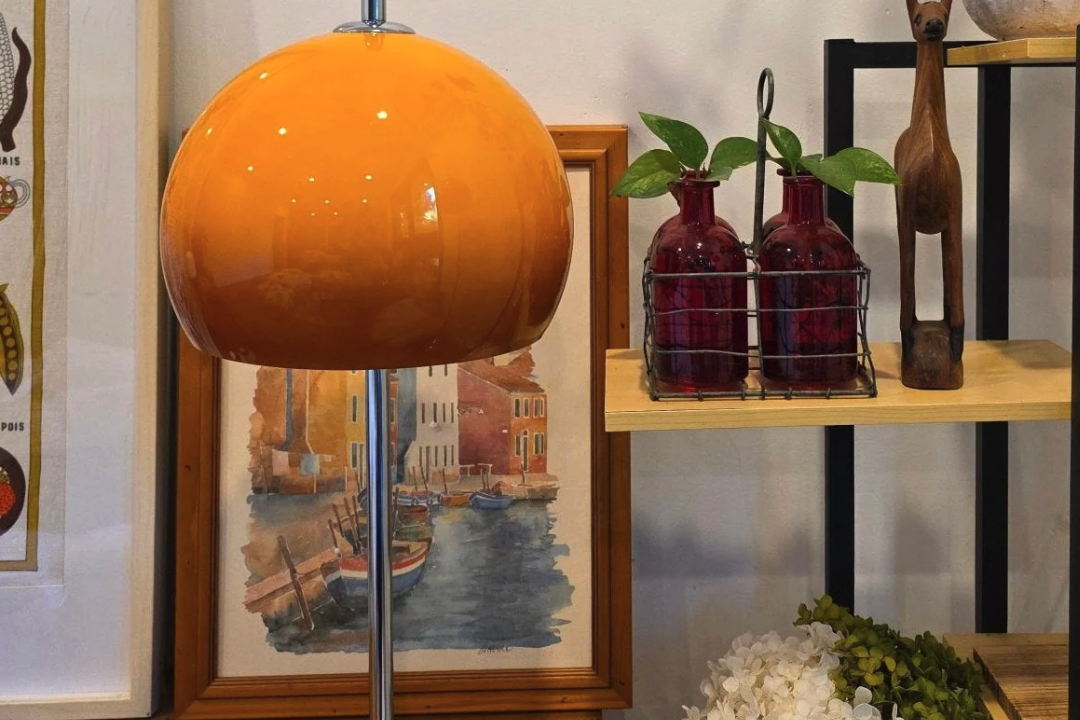
Thinking about snagging the Japandi Amber Glass Console Table Lamp for your place? You’re probably wondering if it’s actually worth the hype and if it’ll fit your vibe. The short answer is: yeah, it probably is. This lamp really does a good job of mixing that cozy, natural feel of Japanese design with the clean, minimalist lines of Scandinavian style, all wrapped up in a really practical package. It’s more than just a pretty object; it adds a warm glow and a touch of understated elegance without being over the top.
Before we dive into the lamp Akapearls itself, let’s quickly get on the same page about what “Japandi” means. It’s a design movement that’s become super popular, and it’s basically a fusion of two distinct but surprisingly complementary aesthetics: Japanese and Scandinavian.
The Japanese Influence: Harmony and Nature
Think about Japanese design principles. What comes to mind? Probably things like:
- Wabi-Sabi: This is a big one. It’s about finding beauty in imperfection, transience, and simplicity. It’s not about polished perfection, but about the natural aging of materials, the unique grain of wood, or a slightly uneven glaze. It embraces the humble and the organic.
- Nature Integration: Japanese interiors often feel like an extension of the outdoors. Natural materials like wood, bamboo, and stone are prevalent. There’s a strong connection to natural light and the changing seasons.
- Mindfulness and Serenity: Japanese design aims to create spaces that promote peace, calm, and contemplation. There’s a deliberate absence of clutter and a focus on intentional placement of objects.
- Craftsmanship and Quality: There’s a deep respect for traditional techniques and well-made items. You’ll often see beautiful joinery and finishes that highlight the material’s natural qualities.
The Scandinavian Influence: Functionality and Light
Now, let’s look at the Scandinavian side of things. This is likely a bit more familiar to many:
- Hygge: This Danish concept is all about coziness, contentment, and well-being. It’s about creating a warm and inviting atmosphere, often through soft lighting, comfortable textures, and good company.
- Minimalism and Simplicity: Scandinavian design is known for its clean lines, uncluttered spaces, and focus on essential elements. Every item has a purpose and contributes to the overall balance.
- Functionality First: Form follows function is a key principle. Furniture and decor are designed to be practical and serve a specific need, without sacrificing aesthetics.
- Light and Airy: Scandinavian interiors often maximize natural light with pale color palettes and simple window treatments. Artificial lighting is carefully considered to create a warm and inviting ambiance, especially during long winters.
- Natural Materials: Similar to Japanese design, wood (especially light woods like birch and pine), wool, cotton, and leather are commonly used.
The Japandi Sweet Spot: Where They Meet
So, how do these two seemingly different styles blend? That’s where Japandi shines. It takes the best of both worlds:
- The Warmth of Hygge meets the Serenity of Japanese design: You get cozy spaces that also feel calm and organized.
- The Simplicity of Scandinavian design meets the appreciation for imperfection in Wabi-Sabi: It’s clean and uncluttered, but with a subtle warmth and character that polished minimalism can sometimes lack.
- The focus on nature and natural materials is a strong common thread: Both styles celebrate the beauty of the earth.
- The emphasis on quality craftsmanship is key: Japandi pieces are often built to last and have a timeless appeal.
It’s not about a literal mashup of distinct Japanese and Scandinavian objects. Instead, it’s about a shared ethos of mindful living, natural beauty, and functional elegance.
The Amber Glass Console Table Lamp: A Japandi Embodiment
Now, let’s talk about this specific lamp. Why does it fit so well into the Japandi aesthetic? It’s all in the details.
The Material: Amber Glass – More Than Just Color
The amber glass is probably the most striking feature, and it’s key to this lamp’s Japandi credentials.
The Warm Glow: Creating Atmosphere
- Soft Illumination: Amber glass is brilliant at diffusing light. Instead of harsh, direct glare, it casts a warm, inviting, and soft glow. This is crucial for creating that hygge-like coziness and the serene atmosphere valued in Japanese design.
- Color Temperature: The amber hue itself is inherently warm. It mimics the soft light of sunset or candlelight, which instantly makes a space feel more welcoming and relaxing. This is a far cry from the cool, often stark lighting that can sometimes be associated with pure modern minimalism.
- Mood Setter: Whether you’re reading a book, enjoying a quiet evening, or entertaining guests, the amber light creates a specific mood. It’s sophisticated without being ostentatious, and it adds a layer of depth to your decor.
The Texture and Finish: Subtle Beauty
- Visual Interest: The glass isn’t just colored; it often has a subtle texture or a slightly varied finish. This can range from a smooth, almost liquid look to something with a more tactile, ribbed, or seeded quality. These imperfections, in line with Wabi-Sabi, add character.
- Reflective Qualities: As light passes through the amber glass, it creates beautiful reflections and subtle shifts in color. This interaction with light adds a dynamic element to the lamp, making it feel alive and engaging, not just a static object.
- Depth and Richness: The amber color isn’t flat. It has a depth that can change depending on the light source and the surrounding environment. This richness makes it feel more substantial and visually appealing than a plain clear or white glass.
The Form and Silhouette: Understated Elegance
The shape of a console table lamp is crucial. It needs to be noticeable enough to make a statement but subtle enough not to overwhelm the space.
Clean Lines and Gentle Curves
- Scandinavian Influence: You’ll likely see a strong element of Scandinavian simplicity in the lamp’s silhouette. Think clean, uncluttered lines that are easy on the eye. It avoids fussy details or overly ornate features.
- Japanese Organicism: However, it’s not purely angular. There’s often a subtle nod to organic shapes. This could be a gently rounded base, a soft curve in the stem, or a shade that flows naturally. This adds a touch of softness and a connection to nature.
- Balanced Proportions: A well-designed Japandi lamp will have balanced proportions. It won’t be too tall, too short, too wide, or too narrow for a console table. It’s designed to be visually harmonious with its surroundings.
The Base and Stem: Materials Matter
- Natural Materials: Look for bases and stems made from materials that align with Japandi principles. This often means:
- Wood: Light woods like oak, ash, or walnut are common. The grain should be visible, and the finish should be natural or lightly sealed, allowing the wood’s inherent beauty to show through.
- Metal: Matte black, brushed brass, or brushed nickel can also be used, but typically in simple, unadorned forms. The finish is usually subdued, avoiding high polish.
- Craftsmanship: The joinery and finishing of these materials should speak to quality. You shouldn’t see sloppy glue marks or rough edges. Even with a minimalist design, the execution should be precise.
The Scale and Placement: Where it Fits In
A console table lamp, by definition, has a specific purpose and a designated spot.
The Console Table: A Transitional Space
- Entryway Welcome: Console tables are often placed in entryways, serving as the first point of contact with your home. A Japandi lamp here can set a welcoming and sophisticated tone right from the start.
- Living Room Accent: They can also be found in living rooms, behind sofas, or flanking a fireplace. In these roles, they provide ambient lighting and decorative interest.
- Bedroom Charm: Some console tables are used as nightstands in larger bedrooms, and a well-placed lamp can add a touch of bedside ambiance.
Size and Proportion: The “Just Right” Factor
- Not Too Dominant: The lamp shouldn’t overpower the console table or the items placed on it. It should complement, not compete.
- Adequate Coverage: It needs to be large enough to provide useful light for the area without casting harsh shadows.
- Visual Anchor: The lamp acts as a visual anchor, drawing the eye and adding a sense of completion to the arrangement on the console table.
Functionality: Beyond Just Looking Good
While aesthetics are a huge part of Japandi, practicality is never far behind.
Lighting Needs: Ambient vs. Task
- Ambient Lighting: The primary function of a console table lamp is often to provide ambient light. This is the soft, general illumination that makes a room feel lived-in and comfortable. The amber glass excels at this.
- Task Lighting (Limited): While not its main job, a well-positioned console table lamp can offer some localized light for tasks like picking up mail or setting down keys. However, it’s unlikely to replace a dedicated reading lamp.
Ease of Use: Simple Controls
- Inline Switches: Many console table lamps feature simple inline rocker switches or rotary switches on the cord. These are unobtrusive and easy to find by feel.
- Touch Controls: Some modern designs might incorporate touch-sensitive controls, often integrated subtly into the base.
- Power Cord Management: While not always a feature, thoughtful designs might consider how the power cord is managed, either with a discreet channel or a neutral-colored cord that blends in.
Versatility: More Than Just Console Tables
While it’s called a “console table lamp,” its Japandi qualities make it adaptable.
Beyond the Console: Creative Placements
- Side Table Companion: It can work beautifully on a larger side table next to an armchair or sofa, adding a warm glow to a reading nook.
- Bedroom Nightstand: As mentioned, it can be a stylish and functional bedside lamp, especially if your nightstand is a bit wider.
- Dresser or Buffet Accent: In a bedroom or dining room, it can add a touch of decorative flair to a dresser or buffet.
- Shelf Statement: If you have a sturdy shelf in a living area, a Japandi lamp can be a striking decorative element, providing both light and visual interest.
Styling it Out: Complementary Decor
- Natural Textures: Pair it with other natural materials like wood, rattan, linen, or ceramic.
- Earth Tones: Complement its amber hue with a palette of muted earth tones – beiges, creams, soft greens, and grays.
- Minimalist Art: Hang minimalist artwork or photography on the wall behind it.
- Greenery: A touch of live plant life, like a small fern or a snake plant, will further enhance the natural, serene vibe.
- Simple Vases and Sculptures: Opt for simple, sculptural pieces that don’t compete with the lamp’s presence.
Why This Lamp Might Be Your Next Favorite Piece
So, to circle back to that initial question, is the Japandi Amber Glass Console Table Lamp a good buy? For many, the answer is a resounding yes.
The “It” Factor: Subtle Statement Piece
- Understated Sophistication: It’s not shouting for attention, but it definitely makes a quiet, confident statement. It elevates the space without demanding to be the sole focus.
- Timeless Appeal: The blend of Japandi styles means it’s not chasing trends. It’s designed to feel relevant and beautiful for years to come, transcending fleeting fads.
- Conversation Starter (the good kind): People notice well-chosen decor. This lamp has a unique charm that often sparks a positive comment, not because it’s loud, but because it’s thoughtfully designed.
Practical Benefits: More Than Just Looks
- Mood Enhancement: The quality of light it provides is genuinely impactful. It transforms the feel of a room, making it more inviting and relaxing.
- Space Definition: It helps to define zones within a larger room or add a focal point to a smaller area.
- Durability and Quality: Typically, Japandi-inspired pieces are made with an emphasis on good materials and construction, meaning they’re built to last and offer good value over time.
For the Homeowner Who Values:
- Thoughtful Design: You appreciate pieces that have a story and a purpose beyond just filling a space.
- Calm and Serenity: You strive to create a peaceful sanctuary in your home.
- Natural Elements: You feel drawn to the beauty of wood, glass, and natural light.
- Understated Luxury: You prefer quality and subtlety over flashy displays.
If any of that resonates, then the Japandi Amber Glass Console Table Lamp is definitely worth considering. It’s a well-executed example of a design philosophy that’s all about creating beautiful, functional, and peaceful living spaces. It’s more than just a lamp; it’s a small piece of curated calm for your home.