Industrial Exposed Hardware: Loft Interior Style
You’re probably here because you’re curious about “industrial exposed hardware” in loft interiors. Simply put, it’s about showcasing the functional, often utilitarian, elements of a building – think pipes, beams, ductwork, and the hardware that holds them together – rather than concealing them. This style embraces the raw, unfinished aesthetic, transforming what was once hidden into a deliberate design choice that adds character and authenticity to a space, particularly in loft conversions.
Lofts, by their very nature, are often former industrial spaces. This means they intrinsically possess the bones of an industrial aesthetic – high ceilings, large windows, and often, the underlying infrastructure. Exposed hardware simply amplifies this existing characteristic, celebrating the building’s history and original purpose. It’s not about artifice; it’s about revealing what’s already there and making it a feature.
A Nod to History and Authenticity
When you see exposed brickwork, steel beams, or even electrical conduit running along a ceiling, you’re getting a glimpse into the building’s past. This historical connection is a major draw for the loft style. It tells a story, and the hardware is a part of that narrative.
Creating an Open and Honest Aesthetic
There’s an inherent straightforwardness to exposed hardware. No hidden secrets, no attempts to disguise what the building is. This honesty contributes to a feeling of spaciousness and an unpretentious vibe that many people find appealing. It’s about celebrating form and function equally.
Practicality and Maintenance Considerations
While it looks good, there’s a practical side. Exposed elements can be easier to inspect and maintain, though they also require a different approach to cleaning and upkeep than a finished surface would. Rust prevention on metal, for example, becomes a more visible concern.
Key Elements of Industrial Exposed Hardware
When you’re talking about exposed hardware, you’re looking at a range of components that contribute to the overall industrial feel. These aren’t just decorative items; they’re often integral to the structure or function of the building.
Structural Components
These are the big players, the elements that provide support and define the raw character of the space.
Exposed Steel Beams and Columns
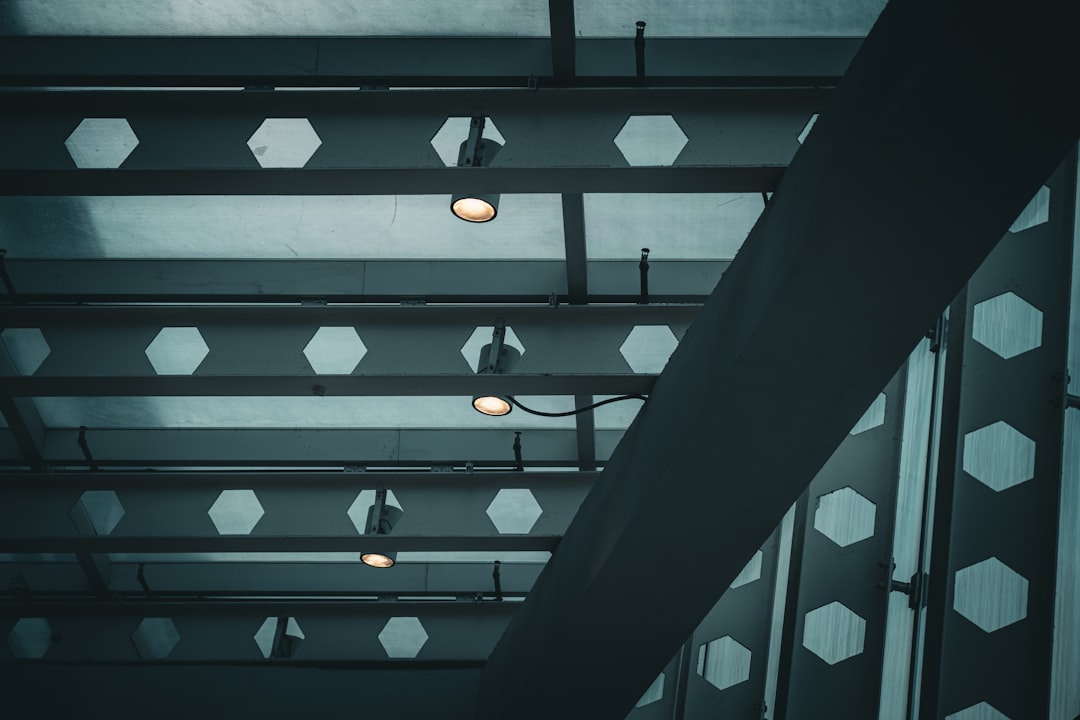
Often original to the building, these can be load-bearing structural elements. Leaving them exposed, sometimes cleaned and sealed, sometimes left with their weathered patina, is a hallmark of the industrial loft. They ground the space and add a sense of robust strength.
Visible Wooden Trusses or Joists
In older industrial buildings, you might find weighty wooden trusses or ceiling joists. These can offer a warmer contrast to the harsher steel elements, bringing in a touch of natural texture while still maintaining that unfinished look.
Mechanical and Electrical Infrastructure
This is where the functional becomes decorative. The pipes and wires that make a building habitable are brought into the spotlight.
Exposed Ductwork
Whether for HVAC or ventilation, metal ductwork, often galvanized or painted, is a common feature. It snakes across ceilings, adding a geometric, almost sculptural element. Larger, more prominent ducts become a central design component.
Conduit and Electrical Wiring
Instead of being hidden within walls, electrical conduit runs along surfaces. This steel or PVC piping, which protects electrical wires, is a practical and aesthetically consistent choice for industrial loft spaces. It reinforces the raw, functional aesthetic.
Plumbing Pipes
Visible copper or galvanized steel pipes for water and drainage are another characteristic. In bathrooms and kitchens especially, these pipes become part of the design, often paired with vintage-style fixtures.
Choosing the Right Hardware for Your Loft
It’s not just about what you expose, but also about the types of hardware you select to complement that exposed aesthetic. The right choices can enhance the existing features without feeling forced or out of place.
Finishes and Materials
The material and finish of your hardware are crucial to maintaining the industrial look. Consistency here helps unify the design.
Raw Metals: Steel, Iron, and Brass
Unfinished or minimally finished metals are ideal. Blackened steel, brushed iron, or even patinated brass can add depth and an aged, utilitarian feel. The imperfections and variations in these materials are often celebrated.
Matte Black and Oil-Rubbed Bronze
These finishes offer a more refined, yet still industrial, edge. They contrast well with lighter walls or exposed brick, providing a crisp, graphic quality. They’re also practical, as they tend to show less wear and tear.
Galvanized Steel
Known for its speckled, slightly dull silver appearance, galvanized steel is a durable and truly industrial material. It’s common for ductwork and can be used for light fixtures or furniture accents.
Feature-Specific Hardware
Beyond the large structural elements, the smaller details of hardware play an equally important role in completing the look.
Barn Door Hardware
Sliding barn doors are a staple in many industrial lofts. The exposed track, rollers, and sturdy handles are integral to their aesthetic appeal, offering a space-saving and visually striking solution for dividing rooms.
Industrial Lighting Fixtures
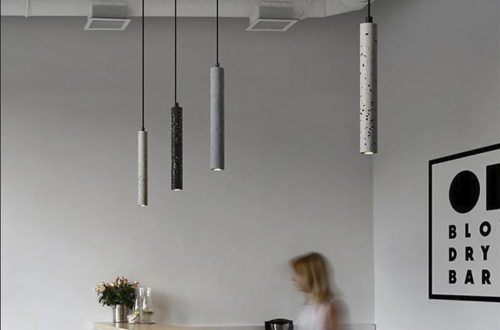
Think cage lights, factory pendants, and sconces with visible bulbs. The hardware here includes the lamp holders, chains, and mounting brackets, all designed to be seen and to contribute to the utilitarian theme.
Cabinet Pulls and Handles
Heavy-duty, robust pulls and handles in metal finishes like those mentioned above are key. They should feel substantial and look like they belong in a workspace, not a delicate home.
Exposed Fasteners and Brackets
Bolts, rivets, and heavy-duty brackets used in shelving units, furniture, or architectural details reinforce the exposed hardware theme. They highlight the construction methods and add a layer of detail.
Integrating Exposed Hardware Effectively
Simply exposing everything isn’t always the answer. Thoughtful integration is what transforms a utilitarian space into a harmonious, designed interior. It’s about balance and making deliberate choices.
Balancing Raw with Refined
An all-raw industrial space can sometimes feel cold or overwhelming. The trick is to introduce elements that provide contrast and warmth, without betraying the core industrial aesthetic.
Incorporating Natural Materials
Wood, particularly reclaimed or untreated wood, can soften the edges of metal and concrete. Leather upholstery or woven textiles can add texture and comfort, making the space more inviting.
Strategic Use of Color and Texture
While industrial palettes lean heavily on grays, blacks, and whites, pops of muted color can make a difference. Think deep greens, rich blues, or earthy browns. Textures like rough-hewn wood, soft rugs, or even a plush sofa can provide a welcome counterpoint to the hard surfaces.
Lighting as a Design Element
Lighting plays a critical role in highlighting and enhancing exposed hardware. It’s not just about visibility but about atmosphere.
Up-Lighting and Spotlighting
Strategically placed up-lights can emphasize the texture of exposed brick or the geometry of steel beams. Spotlights can draw attention to a particularly interesting piece of ductwork or a unique architectural feature.
Ambient and Task Lighting
Beyond highlighting, practical lighting is crucial. Industrial pendants or track lighting can provide ample ambient light, while task lighting on work surfaces or reading nooks ensures functionality. The fixtures themselves, as discussed, are part of the exposed hardware aesthetic.
Furniture and Decor Choices
The furniture and decorative items you select should harmonize with the industrial backdrop, rather than fighting against it.
Industrial-Style Furniture
Look for furniture made from metal, wood, and leather, often with visible joints, casters, or unfinished surfaces. Think old factory carts, workshop benches, or chairs with metal frames.
Art and Decor that Complements
Large-scale abstract art, vintage maps, or historical photography can all work well. Avoid overly ornate or fussy decor, opting instead for pieces that have a sense of purpose or a minimalist aesthetic. Anything that feels too “precious” might clash.
Potential Challenges and Considerations
While the industrial exposed hardware style has many benefits, it’s not without its potential drawbacks or points to consider during design and implementation. Thinking ahead can save you headaches later.
Acoustics and Noise
Hard surfaces like exposed brick, concrete, and metal are excellent at reflecting sound. This can lead to echoey spaces, particularly in large lofts with high ceilings.
Addressing Noise with Soft Furnishings
Rugs, heavy curtains, upholstered furniture, and even strategically placed bookshelves can help absorb sound. Acoustic panels, though they need to be chosen carefully to blend with the industrial aesthetic, are another option.
Dust and Cleaning
Exposed surfaces, especially pipes and ducts, can accumulate dust. Their irregular shapes and elevated positions can make cleaning more challenging than smooth, finished walls or ceilings.
Regular Maintenance and Accessibility
Consider how you will access these exposed elements for cleaning. Investing in extendable dusters or even planning for professional cleaning services might be necessary to keep things looking tidy.
Thermal Efficiency and Insulation
In some older industrial buildings, especially if conversions were done without updated insulation, exposed elements can contribute to heat loss or gain. Metal components can also act as thermal bridges.
Modern Insulation Techniques
If you’re embarking on a renovation, ensure that insulation is adequately addressed in other areas of the building envelope, even if you’re exposing interior elements. Double-glazed windows and insulated roofing are crucial.
Safety and Code Compliance
When exposing electrical wiring, plumbing, or structural elements, it’s paramount to ensure everything is up to current safety codes and standards. This isn’t just about aesthetics; it’s about habitability.
Professional Inspections and Installations
Always use certified professionals for any work involving electrical, plumbing, or structural modifications. They can ensure that exposed conduit is properly installed, pipes are secure, and structural components are sound and safe to expose.
In summary, industrial exposed hardware in a loft interior is a dynamic and authentic style that celebrates a building’s history and functionality. By thoughtfully selecting and balancing structural elements, mechanical infrastructure, and complementary hardware, you can create a striking and well-considered space that feels both raw and refined. It’s about more than just leaving things as they are; it’s about making intentional design choices that honor the building’s past while creating a comfortable and practical living environment for today.

You May Also Like
Adding Warm Crystal Chandeliers to Elevate Restaurant Ambiance
Creating Ambiance: Soft Ceiling Lamps in the Restaurant