Modern Gallery Style Hallway Lighting: Picture Bars
Thinking about how to light up your hallway while making it look like a chic art gallery? Picture bar lights are your answer. These specialized fixtures are designed to illuminate your artwork and photos beautifully, adding a sophisticated, modern touch to what can often be a forgotten space. They’re practical for highlighting what you want people to see, and they can transform a simple corridor into a curated display.
Hallways are often long, narrow, and lacking in natural light Egusdesign. This makes them a bit of a challenge to light effectively. Traditional overhead lights can feel a bit flat and uninspired, and floor lamps just get in the way. Picture bars, on the other hand, offer a focused lighting solution that brings a distinct gallery aesthetic. They draw attention to your chosen pieces, creating a focal point and making the space feel more intentional and less like just a pass-through.
More Than Just Lighting
It’s not just about illumination; it’s about atmosphere. Imagine walking down a hallway where each piece of art is bathed in a soft, even glow. It instantly elevates the entire experience. Picture bars create that kind of ambiance, making your hallway feel like a deliberate part of your home’s design, rather than just a connection between rooms.
Space-Saving Solution
Unlike bulkier lighting options, picture bars are sleek and discreet. They don’t take up floor space or protrude significantly from the wall, which is a major advantage in often-cramped hallway environments. This minimalist design ensures they complement your artwork rather than overshadowing it.
Key Considerations When Choosing Picture Bar Lights
Before you start shopping, it’s worth thinking about a few things to make sure you get the right fit for your hallway and your art.
Sizing Up Your Space and Art
The size of your artwork dictates the size of your picture bar. A general rule of thumb is that the picture bar should be between one-half and two-thirds the width of the frame it’s illuminating. If it’s too short, you’ll get hot spots and uneven lighting. If it’s too long, it might overpower the artwork itself.
- For smaller pieces: A single, compact picture bar might suffice.
- For larger pieces or groupings: You might need a longer bar or even two strategically placed shorter ones. Consider how the light will spread across the entire display.
Light Temperature and Color Rendering Index (CRI)
These two factors are crucial for how your art will actually look under the light.
- Color Temperature (Kelvin): This refers to how warm or cool the light appears.
- Warm White (2700K-3000K): Creates a cozy, inviting atmosphere. Good for traditional art, landscapes, or pieces with warm tones.
- Neutral White (3500K-4000K): A balanced light that’s often considered ideal for displaying art as it doesn’t skew colors too much.
- Cool White (4500K-5000K+): Brighter and more modern, often used in galleries for contemporary pieces or those with cool tones. Be careful not to go too cool, as it can make colors look washed out in a home setting.
- Recommendation: For most home hallways, a neutral white (3500K-4000K) or a slightly warm white (3000K) strikes a good balance, making your art pop without feeling sterile.
- Color Rendering Index (CRI): This measures how accurately a light source reveals the true colors of an object compared to natural light. A higher CRI (closer to 100) means colors will appear more vibrant and true-to-life.
- Look for a CRI of 90 or higher. This is important for art, as you want to see the colors as the artist intended, not distorted by poor lighting. Anything lower than 80 will likely make colors look dull or inaccurate.
Powering Your Picture Bars: Wired vs. Battery-Operated
This is a practical decision based on your home’s setup and your willingness to do a bit of DIY or hire an electrician.
- Hardwired Picture Bars:
- Pros: Seamless look, no visible wires, consistent power, often brighter and more powerful.
- Cons: Requires electrical wiring in the wall, which might mean hiring an electrician if you don’t have existing wiring or aren’t comfortable with electrical work. Less flexible for future rearrangement.
- Best for: Permanent installations, new builds, or major renovations where you can plan wiring ahead of time.
- Battery-Operated Picture Bars:
- Pros: Easy to install (just screw it in), no electrical work needed, great for renters or those who want flexibility.
- Cons: Batteries need regular changing or recharging, might not be as bright or long-lasting as wired options, some models have visible battery packs.
- Best for: Quick updates, temporary displays, or if you’re not allowed to alter walls. Look for models with rechargeable batteries and a good battery life indicator.
Types of Picture Bar Designs and Finishes
Picture bars come in a variety of styles, allowing you to match them to your home’s aesthetic and the artwork itself.
Style and Aesthetics
- Minimalist & Modern: Sleek, thin bars, often in black, white, chrome, or brushed nickel. These blend seamlessly and let the art be the star. They’re perfect for contemporary art and modern decor.
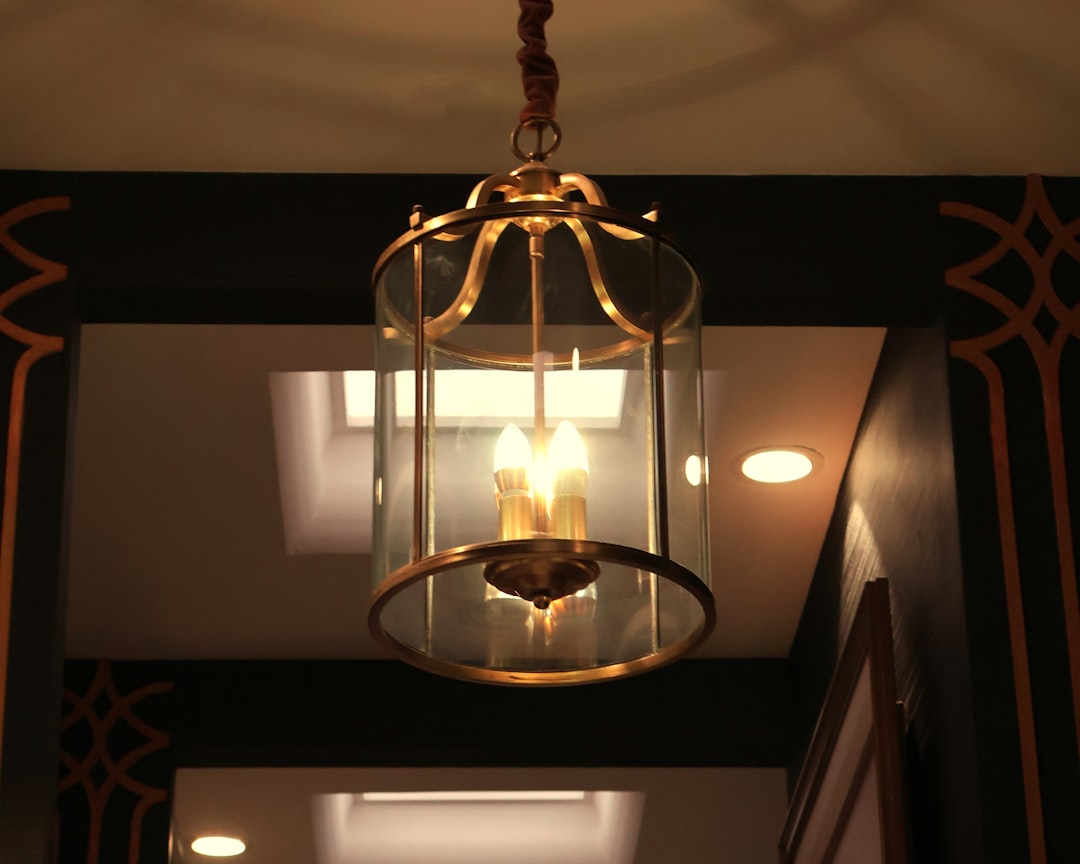
- Traditional & Classic: Often feature ornate details, brass, bronze, or antique gold finishes. These complement classic artwork, framed prints, and more traditional home styles.
- Industrial: Exposed metal, sometimes with a raw or matte finish. Can look great with abstract art or in a loft-style space.
Finishes to Consider
The finish of the fixture itself plays a big role in how it integrates with your decor.
- Matte Black: Very popular, offers a strong contrast, and looks sharp in modern settings.
- Brushed Nickel/Chrome: Contemporary, versatile, and reflects light subtly.
- Bronze/Brass/Antique Gold: Adds warmth and a touch of classic elegance.
- White: Blends seamlessly into white walls for a very understated look.
Consider the frame of your artwork and other metal accents in your hallway. You don’t necessarily need to match everything perfectly, but aim for a cohesive feel.
Installation Tips for a Professional Look
Getting your picture bars installed correctly makes all the difference in how your hallway looks and feels.
Optimal Placement for Artwork
This is where the “gallery” part really comes in. It’s not just about slapping a light above a picture.
- Height Above Art: Generally, mount the picture bar 3-6 inches above the top of the frame. This distance allows the light to spread evenly without creating harsh shadows or glare. For very tall pieces, you might need to go a bit higher.
- Angle of Light: Most picture bars have adjustable heads. Angle the light downwards, so it illuminates the entire artwork, not just the top. Experiment a bit – you want to avoid reflections on glassed pieces, so tilting it slightly can help.
- Even Illumination: Stand back and look at the illuminated piece. Are there any dark spots? Is one side brighter than the other? Adjust the angle until the light is as even as possible across the entire surface.
- Multiple Pieces in a Row: If you have a series of smaller pieces, consider using a longer picture bar that spans across them, or individual bars above each. The goal is a consistent lighting scheme across the entire display.
Dealing with Glare and Reflections
Glass-covered artwork can be tricky. Here’s how to minimize glare:
- Adjust Angle: As mentioned, slightly tilting the light source can often deflect reflections.
- Consider Matte Finishes: If you’re framing new art, consider anti-glare glass or plexiglass.
- Dimming Capabilities: A dimmer switch can be a lifesaver. Being able to adjust the brightness helps mitigate glare in different ambient light conditions.
Wiring and Safety First
If you’re going the hardwired route, always prioritize safety.
- Consult an Electrician: If you’re not experienced with electrical work, it’s best to hire a qualified electrician. They’ll ensure proper wiring, adherence to codes, and a safe installation.
- Turn Off Power: If you are comfortable doing it yourself, always turn off the power at the circuit breaker before starting any electrical work. Double-check with a voltage tester.
- Conceal Wires: For a clean look, route wires through the wall if possible. If not, discreet wire channels can hide surface-mounted wires effectively. Paint them to match the wall for an almost invisible finish.
Enhancing the Hallway Beyond Just Art
Picture bars don’t just have to be for paintings. Think creatively about what else you can illuminate.
Beyond Paintings: Sculptures and Architectural Features
Your hallway might have more than just flat art.
- Small Sculptures or Vases: A well-placed picture bar can highlight a three-dimensional object, creating intriguing shadows and drawing the eye.
- Architectural Niches or Shelves: If you have built-in shelves or recesses, a picture bar can beautifully illuminate decorative objects, books, or family heirlooms displayed there.
- Textile Art: Tapestries or framed fabrics can also benefit from focused lighting, bringing out their textures and colors.
Integrating with General Hallway Lighting
Picture bars are specialized accent lighting. They usually aren’t enough to light an entire hallway on their own.
- Layering Light: Combine picture bars with other forms of lighting for a well-lit and versatile hallway.
- Recessed Lighting: Provides ambient light without being obtrusive. Dimmable recessed lights are great for setting different moods.
- Wall Sconces: Can add another layer of accent lighting or provide a soft general glow, especially if placed strategically between artworks.
- Cove Lighting: If your hallway allows, a hidden LED strip along the top of a wall or ceiling can create a very sophisticated, indirect wash of light.
- Dimmers are Your Friend: For a truly dynamic space, put all your hallway lights on dimmers. This allows you to adjust the brightness for different times of day or occasions, creating a gallery-like experience that adapts to your needs. You can have bright task lighting when cleaning, or a softer, more intimate glow when entertaining.
Maintaining Your Gallery-Style Lighting
A little upkeep goes a long way in keeping your hallway looking its best.
Cleaning and Bulb Replacement
- Regular Dusting: Dust can accumulate on light fixtures and obscure the light output. A soft, dry cloth is usually sufficient for regular dusting.
- Gentle Cleaning: If more thorough cleaning is needed, use a slightly damp cloth with mild soap and water, then dry thoroughly. Avoid harsh chemicals that could damage finishes.
- LED Longevity: Most modern picture bars use LEDs, which have a very long lifespan (tens of thousands of hours). This means bulb replacement is rare. However, if a fixture fails, you might need to replace the entire unit or a specific LED module, depending on the design.
- Battery Maintenance (for battery-operated units): Keep spare batteries on hand or establish a regular charging schedule for rechargeable models. This ensures your art is always well-lit.
Troubleshooting Common Issues
- Uneven Lighting: Check the angle of the light source. It might need slight adjustments to distribute light more evenly across the artwork. Also, ensure the picture bar is appropriately sized for the piece.
- Glare on Glass: Experiment with the angle of the light. If the issue persists, consider anti-glare glass for future framing projects.
- Flickering Lights: For hardwired units, this could indicate a loose connection (call an electrician). For battery-operated units, it often means low batteries.
- Dimness: Check the light output specifications (lumens) before purchase. If your lights are too dim, they might not be powerful enough for your needs. For battery units, ensure batteries are fresh or fully charged.
Transforming your hallway into a modern gallery isn’t just about hanging art; it’s about lighting it effectively. Picture bar lights offer a sleek, sophisticated, and practical solution that can elevate the entire feel of your home. By considering the size, light quality, power source, and design, you can create a truly stunning display that you and your guests will appreciate. It’s a small change that makes a big impact on a forgotten space, turning it into a curated experience.