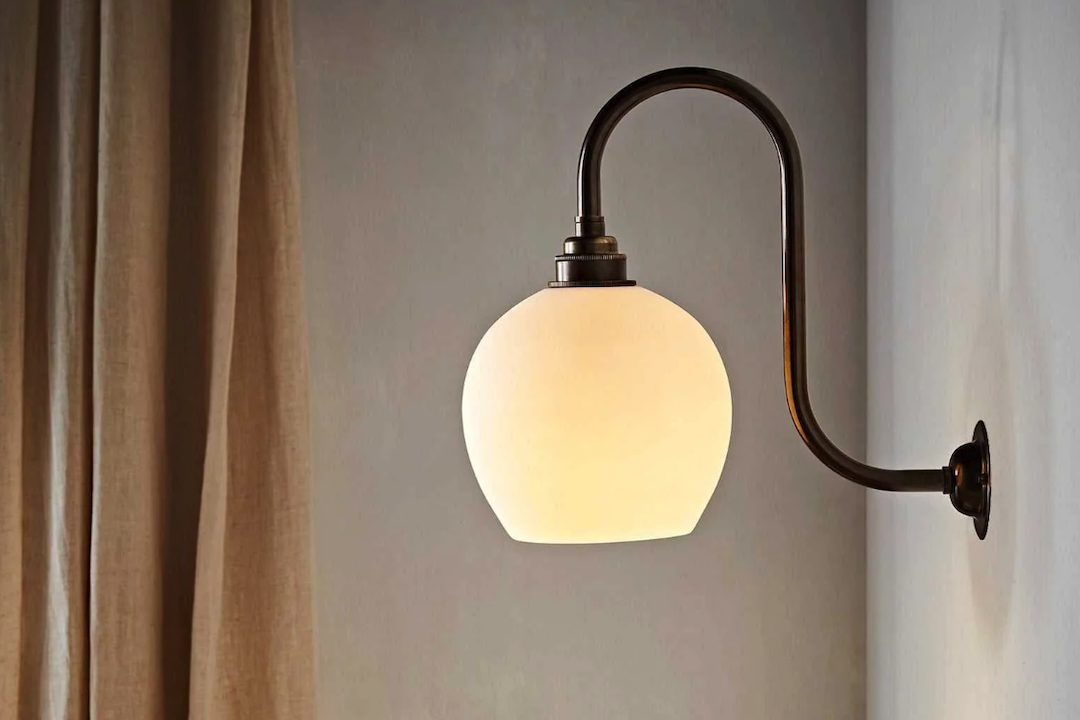
Elegant Ceramic Wall Lamp: Warm, Diffused Light
So, you’re thinking about an elegant ceramic wall lamp for your space? Excellent choice! If you’re wondering what makes them special and how to make them work for you, the short answer is: they offer a beautiful, soft glow that’s incredibly inviting, turning a simple wall into a feature and creating a cozy atmosphere without being harsh. It’s like giving your room a warm hug with light.
The Appeal of Ceramic for Lighting
Ceramic, as a material, brings a certain timeless quality to anything it’s used in, and lamps Posnano are no exception. It’s not just about aesthetics, though that’s a big part of it. Ceramic has a natural elegance that’s hard to replicate with other materials.
Texture and Tactility
One of the first things you’ll notice about ceramic is its texture. It can be smooth and polished, or it can have a subtle grain, a rougher finish, or even intricate patterns molded into it. This tactile quality adds another dimension to the lamp, making it something you might want to reach out and touch, not just look at.
Smooth Finishes
Lamps with smooth, glazed ceramic shades or bases often have a clean, minimalist feel. Think of a matte white finish that absorbs light beautifully, or a glossy glaze that reflects it subtly. These are fantastic for contemporary spaces where you want understated sophistication.
Textured Varieties
Then there are ceramics with more pronounced textures. These might include hand-sculpted details, ribbed patterns, or even a slightly speckled appearance. These add visual interest and a touch of artisanal charm, fitting well into more organic or rustic interiors. The way light plays off these textures can create fascinatingshadows and highlights.
| Type of Ceramic Finish | Common Aesthetic | Best For |
||||
| Smooth Glazed | Modern, clean, minimalist | Contemporary, Scandinavian, transitional spaces |
| Matte | Soft, understated, warm | Modern farmhouse, minimalist, cozy interiors |
| Textured/Sculpted | Artisanal, organic, rustic | Bohemian, eclectic, traditional, country styles |
| Speckled/Earthy | Natural, grounded, unique | Farmhouse, rustic, naturalistic themes |
Color Palette Potential
Ceramic’s ability to hold color is another significant advantage. It can be fired to achieve a vast spectrum of hues, from earthy neutrals to vibrant jewel tones. This versatility means you can find a ceramic wall lamp to perfectly complement your existing décor or to serve as a striking accent piece.
Neutral Dominance
Many elegant ceramic wall lamps lean towards neutral palettes. Think of soft whites, creamy ivories, warm beiges, and sophisticated greys. These colors are inherently calming and allow the diffused light to be the star of the show, creating a gentle and serene ambiance.
Bold Statements
However, don’t discount the impact of a boldly colored ceramic lamp. A deep navy, a rich emerald green, or even a burnt orange can add a significant personality to a room. These can punctuate a monochromatic scheme or add depth to a more maximalist approach. The key is ensuring the color works with the overall lighting strategy.
Unfired Earth Tones
Some designs embrace the raw beauty of unglazed ceramic. These often feature natural earth tones – terracotta, sand, clay. They contribute to a grounded, organic feel and work wonderfully in spaces aiming for a natural or handcrafted aesthetic.
The Magic of Diffused Light
When we talk about elegant ceramic wall lamps, the “warm, diffused light” is often the defining characteristic. This isn’t the harsh, direct beam you get from some spotlights. Instead, it’s a gentle, even illumination that spreads softly throughout the room.
Understanding Light Diffusion
Diffusion, in lighting terms, means scattering the light. A diffuser, often made of glass or, in this case, the ceramic material itself acting as a shade, breaks up direct light sources. This prevents glare and creates a softer, more ambient effect.
Ceramic as a Diffuser
Ceramic, especially when fired thin enough, can act as a natural diffuser. It doesn’t block light entirely but filters it, allowing a warm, gentle glow to emanate from the lamp. The thickness and glaze of the ceramic will influence how much light passes through and how diffused it becomes.
Benefits of Soft Light
- Reduces Eye Strain: Harsh lighting can be tiring for your eyes. Diffused light is much more comfortable for prolonged periods.
- Creates Ambiance: It’s the secret ingredient for cozy evenings, relaxing reading sessions, or intimate dinners. It transforms a functional space into a welcoming retreat.
- Highlights Texture: Soft light can beautifully accentuate the textures of walls, furniture, and the ceramic lamp itself, adding depth and visual interest.
- Minimizes Glare: You won’t be staring into a bright bulb. The ceramic shade softens the light, making it pleasant to look at from any angle.
The Warmth Factor
The “warm” aspect refers to the color temperature of the light emitted, typically measured in Kelvin (K). Lower Kelvin numbers (around 2700K-3000K) produce a warm, yellowish light, similar to incandescent bulbs or candlelight. This is universally considered inviting and cozy.
Bulb Choice Matters
While the ceramic shade influences diffusion, the light bulb you choose is crucial for the warmth. Always opt for LED bulbs with a warm white color temperature. Many LED bulbs are now designed to mimic that familiar, cozy incandescent glow.
How Ceramic Enhances Warmth
The material and form of a ceramic lamp can amplify this warmth. A thicker, opaque ceramic might allow less light through but can create a more intense pool of warm light around it. A thinner, more translucent ceramic will spread that warmth more evenly. The color of the ceramic itself can also subtly influence the perceived warmth of the light.
Placement and Purpose: Where Do They Shine?
Elegant ceramic wall lamps are incredibly versatile, but knowing where to place them can elevate their impact from mere illumination to a deliberate design choice. They are more than just light fixtures; they are decorative elements in their own right.
Hallways and Entryways
These are often the first impressions people get of your home. A well-placed ceramic wall lamp can greet guests with a warm, inviting glow, setting a sophisticated tone right from the start.
Creating Arrival Moments
In a hallway, a pair of ceramic wall lights flanking a console table or artwork can create a sense of arrival. The diffused light makes the space feel less like a thoroughfare and more like a part of your home’s living area.
Practical for Navigation
They provide enough light to navigate safely without being overpowering, which is important in narrower or darker hallways.
Living Rooms and Lounges
This is where ambiance reigns supreme, and ceramic wall lamps excel at crafting a cozy and inviting atmosphere for relaxation and socializing.
Accent Lighting
Use them to highlight specific architectural features, artwork, or seating areas. A lamp placed beside a favorite armchair can create a perfect reading nook.
Softening General Illumination
They can supplement overhead lighting, reducing the reliance on a single bright source and creating a layered lighting scheme that feels more dynamic and comfortable.
Flanking Fireplaces or Sofas
A symmetrical arrangement on either side of a fireplace or a large sofa can add a sense of balance and elegance.
Bedrooms
The bedroom is the ultimate sanctuary, and soft, warm light is essential for creating a restful environment.
Bedside Companions
Instead of bulky bedside lamps, wall-mounted ceramic lights save precious surface space and offer a more streamlined look. Ensure they are positioned at a comfortable height for reading.
Creating a Soothing Mood
Their diffused, warm light is perfect for winding down before sleep, contributing to a peaceful and tranquil atmosphere.
Dining Areas
While often centered around a statement pendant light, wall lamps can add subtle layers and warmth to the dining experience.
Setting the Table’s Mood
Placed strategically, they can cast a gentle glow on the dining table, enhancing the food and conversation without casting harsh shadows.
Adding Dimension to Walls
They can break up large, blank wall spaces, adding visual interest and preventing the room from feeling too cavernous or stark.
Installation Considerations
While many ceramic wall lamps are designed for straightforward installation, it’s always good to be aware of the process and what to expect.
Hardwiring vs. Plug-In
This is the primary distinction when choosing your lamp.
Hardwired Lamps
These require connecting directly to your home’s electrical wiring.
- Pros: Creates a cleaner look with no visible cords. Usually offers more sophisticated, integrated designs.
- Cons: Requires an electrician for safe and proper installation unless you’re experienced with electrical work. You’ll need existing junction boxes where you want to install them.
Plug-In Lamps
These come with a power cord and plug that connects to a standard wall outlet.
- Pros: Easier to install, no significant electrical work needed. Can be repositioned more easily.
- Cons: The cord is visible, which some people find less aesthetically pleasing. You’ll need to position them near an outlet. Cord covers can help mitigate this.
Wall Type and Support
The material of your wall and how it’s constructed play a role.
Drywall
Most common in homes, drywall requires finding a wall stud for secure mounting of heavier lamps. If a stud isn’t available where you want the lamp, you’ll need to use appropriate drywall anchors designed to support the weight.
Plaster and Lath
Older homes might have plaster and lath walls, which are often more robust but can be brittle. Specialized anchors are available for these.
Brick or Concrete
These offer strong mounting surfaces but require masonry drill bits and anchors.
Pre-existing Wiring
If you’re installing a hardwired lamp, check if there’s already a junction box and appropriate wiring in the desired location. If not, electrical work will be needed to install one. Your chosen lamp’s specifications will usually indicate the type of wiring it requires.
Maintaining Your Ceramic Lamp’s Elegance
Ceramic is a durable material, but like any decorative item, it benefits from a little care to keep it looking its best. The goal is to preserve its finish and ensure it continues to emit that beautiful, warm light.
Regular Dusting
This is the most crucial step. Dust can accumulate quickly and dull the finish of the ceramic.
Tools for the Job
Use a soft, dry microfiber cloth. For textured ceramics, a soft-bristled brush (like a clean makeup brush or a paintbrush) can help get into nooks and crannies.
Frequency
A light dusting once a week or every two weeks is usually sufficient, depending on your environment.
Cleaning the Ceramic
When dusting isn’t enough, a gentle cleaning is in order.
Mild Soap and Water
For most glazed or matte ceramics, a damp cloth with a tiny amount of mild dish soap can do the trick.
- Procedure: Dampen the cloth, wring it out thoroughly so it’s not dripping, and gently wipe the ceramic. Follow up with a clean, damp cloth to rinse away any soap residue. Always dry immediately with a soft, dry cloth to prevent water spots.
Avoid Harsh Chemicals
Never use abrasive cleaners, scouring pads, or strong chemical solvents on your ceramic lamp. These can scratch the glaze, damage the finish, or leave residue.
Cleaning the Shade (if applicable)
If your lamp has a separate fabric or glass shade in addition to the ceramic base, treat that according to its material instructions. However, for ceramic lamps where the ceramic is the shade, the cleaning methods above apply.
Bulb Replacement
When it’s time to replace the light bulb:
- Turn off the power: Ensure the lamp is switched off and, if hardwired, that the circuit breaker is off for that fixture.
- Let it cool: If the lamp has been on, allow the bulb and ceramic to cool down completely before attempting to remove the bulb. Ceramic can retain heat.
- Careful removal: Gently unscrew the old bulb. If it’s a type that’s screwed directly into the ceramic, be mindful not to apply excessive force.
- Install the new bulb: Ensure you use the correct wattage and type of bulb as recommended by the lamp manufacturer to avoid damage or overheating.
By keeping these simple maintenance tips in mind, your elegant ceramic wall lamp will continue to provide that inviting, warm, and diffused light for years to come. It’s a small effort for a significant return in ambiance and style.


You May Also Like
Elegant Art Glass Bathroom Wall Lamp
Enhance Your Kitchen with a Stylish Black Wall Lamp