Natural Stone Wall Light: A Stylish Living Room Feature
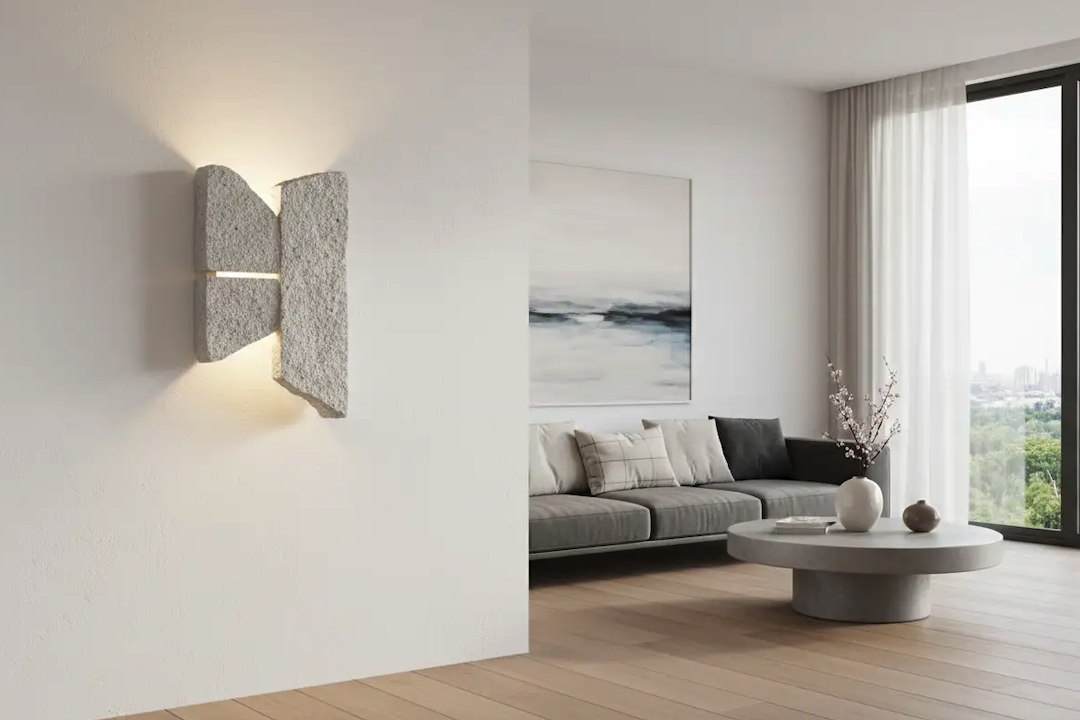
Natural stone wall lights definitely hit the mark as a stylish living room feature. They combine the timeless beauty of natural materials with practical illumination, creating an atmosphere that feels both sophisticated and grounded. It’s a fantastic way to add character and a warm, inviting glow to your space.
When we talk about natural stone wall lights, we’re not just discussing how they provide light. We’re getting into aesthetics, mood, and even a touch of tactical engagement with your living space. There’s a certain gravitas and authenticity that comes with natural stone that synthetic materials just can’t replicate.
The Allure of Authenticity
Think about it: each piece of natural stone is unique. From the subtle veining in marble to the varied textures of slate or travertin, you’re getting a slice of geological history. This inherent uniqueness means no two light Hnccom fixtures will be exactly alike, lending an exclusive, artisanal feel to your living room. It’s a conversation starter without even trying.
Building Ambiance and Mood
Lighting plays a massive role in how a room feels. Natural stone wall lights excel at creating a soft, diffused glow. The stone itself often acts as a natural diffuser, softening the light and casting warm, inviting shadows. This is perfect for a living room where you want to relax, entertain, or simply unwind at the end of the day. It’s less about bright, functional light and more about layered, atmospheric lighting.
A Touch of Understated Luxury
Natural stone is inherently a premium material. Incorporating it into your lighting scheme instantly elevates the perceived value and sophistication of your living room. It’s not about flashy opulence; it’s about a discerning choice that speaks to quality and timelessness. It’s a way to introduce a touch of luxury without being overbearing.
Choosing Your Stone: Materials and Their Magic
The type of stone you select will significantly impact the look and feel of your wall light. Each stone has its own characteristics, both in terms of appearance and how it interacts with light.
Marble: Classic Elegance and Subtle Patterns
Marble is
synonymous with luxury and timeless design. Its characteristic veining, ranging from delicate grey to dramatic black, makes each piece a work of art. When used in a wall light, marble can create a stunning soft glow, with the veining becoming more pronounced and beautiful as light passes through it. The light takes on a warm, almost ethereal quality.
- Best for: Adding a touch of classic sophistication, rooms with a more formal or refined aesthetic, creating serene lighting.
- Considerations: Can be more expensive, requires careful handling due to its weight and sometimes delicate nature.
Travertine: Earthy Warmth and Textured Appeal
Travertine offers a beautiful, porous texture and comes in a range of warm, earthy tones – think creams, beiges, and subtle browns. Its natural pitting and variations add character and depth. When illuminated, travertine diffuses light wonderfully, creating a very warm and inviting atmosphere. The light subtly highlights the stone’s natural textures.
- Best for: Bringing a natural, rustic, or Mediterranean feel, creating a cozy and welcoming ambiance, complementing neutral color palettes.
- Considerations: The porous nature can mean it’s slightly more prone to staining if not sealed, but for a wall light, this is less of a concern.
Onyx: Translucent Beauty and Dramatic Veining
Onyx is arguably the most dramatic choice for a backlit natural stone feature. It’s truly translucent, allowing light to pass through it beautifully, illuminating its internal patterns and colors with stunning effect. It comes in a dizzying array of colors, from green to white to amber, often with striking, swirling bands.
- Best for: Creating a focal point, adding a dramatic and luxurious statement, achieving a truly unique and captivating light effect.
- Considerations: Generally the most expensive option, can be more delicate and requires expert installation, the visual impact can be very strong.
Slate: Modern Edge and Robust Character
Slate, with its fine-grained texture and often dark, earthy tones (greys, charcoals, greens), brings a very different vibe. It’s less about translucence and more about highlighting its natural cleavage and layers. When incorporated into a wall light, slate provides a more directional, sculptural light, often emphasizing its rugged texture. It offers a contemporary, yet organically grounded, aesthetic.
- Best for: Modern, minimalist, or industrial-chic living rooms, adding a tactile and robust element, creating a grounded yet sophisticated feel.
- Considerations: Does not diffuse light in the same way as marble or onyx; the light will often catch the edges and surfaces rather than passing through.
Placement Pointers: Where and How to Shine
The placement of your natural stone wall lights is just as important as the lights themselves. Strategic positioning can enhance the architectural features of your room, create visual interest, and contribute significantly to the overall lighting scheme.
Framing Architectural Features
Wall lights are excellent for highlighting specific elements in your living room. Imagine a pair of stone lights flanking a fireplace, accentuating its grandeur, or perhaps positioned on either side of a large piece of artwork. They draw the eye, making these features stand out and feel more intentional.
- Fireplace surrounds: Adds warmth and focus to the heart of the living room.
- Artwork or shelving: Provides a gentle wash of light that highlights texture and detail without glare.
- Entryways or archways: Defines transitions and welcomes visitors with a soft glow.
Creating Ambient Layers
Most living rooms benefit from multiple layers of lighting – overhead, task, and accent. Natural stone wall lights fit perfectly into the “accent” category, providing that soft, atmospheric glow that makes a room feel complete and inviting. Don’t rely solely on them for primary light, but use them to complement your main sources.
Consider placing them at eye level or slightly above to maximize their visual impact and the spread of their diffused light.
Spacing for Impact
When installing multiple wall lights, consider the distance between them. Too close, and they might look cluttered; too far, and the effect might be lost. A good rule of thumb is to maintain a consistent spacing that harmonizes with the scale of your room and the specific wall you’re illuminating. For smaller living rooms, fewer, well-placed lights might be more effective. In larger spaces, a series of lights can create a rhythmic visual flow.
Installation Know-How: Getting It Right
While the aesthetic appeal is paramount, the practicalities of installation are equally important. This isn’t a DIY job for everyone, especially when dealing with heavy natural stone and electrical wiring.
The Weight Factor
Natural stone is heavy. This isn’t a problem for a professional installer, but it’s crucial to understand beforehand. The wall needs to be able to support the weight, and the mounting hardware must be robust. Don’t skimp on this – a falling light fixture is a serious hazard.
- Consult a professional: An electrician familiar with heavy fixtures is highly recommended.
- Proper wall anchors: Ensure the anchors used are appropriate for stone weight and wall material (drywall, plaster, brick).
Electrical Considerations
Like any fixed light fixture, natural stone wall lights require electrical wiring within the wall. This generally means making cuts into your wall to run wires to a switch.
- Hardwired vs. plug-in: Most stone wall lights are hardwired for a seamless, cleaner look. Plug-in options exist but might compromise the sleek design with visible cords.
- Dimmer switches: Absolutely essential! A dimmer allows you to control the intensity of the light, transitioning from a soft background glow to something a little brighter when needed. This maximizes the ambient potential of your stone lights.
Bulb Choices: Enhancing the Stone
The type of bulb you choose will influence how the light interacts with the stone and the overall mood.
- Warm white bulbs (2700K-3000K): Highly recommended. These bulbs emit a soft, yellowish light that complements the natural warmth of most stones. It enhances the cozy, inviting atmosphere.
- LEDs: Energy-efficient, long-lasting, and don’t produce much heat, which is ideal for enclosed fixtures. Many LED bulbs now offer excellent warm white options.
- Avoid bright white/cool white (4000K+): These can make natural stone look stark or washed out, detracting from its inherent warmth and character.
Integrating with Style: Beyond the Light
A natural stone wall light isn’t a standalone element; it’s part of a larger design narrative in your living room. Thinking about how it harmonizes with other materials, textures, and existing decor will ensure a cohesive and impactful result.
Complementary Materials and Textures
Think about the other “hard” and “soft” elements in your living room. If you have a lot of wood, a stone light can introduce a welcome contrast. If your room is already very sleek, the organic texture of stone can soften it.
- Wood: Stone and wood are a classic pairing, bringing nature indoors.
- Metals: Black or brushed brass metals can complement certain stones beautifully.
- Soft furnishings: The rough texture of stone contrasts beautifully with the softness of textiles like wool, linen, or velvet, adding visual interest.
Color Palettes that Pop
Natural stone wall lights tend to work well with a variety of color palettes, but they truly shine when paired with certain schemes.
- Neutrals: Creams, beiges, grays, and whites create a sophisticated, calming backdrop that allows the stone to subtly stand out.
- Earthy tones: Greens, terracotta, deep browns – these colors naturally resonate with the organic origins of stone.
- Deep jewel tones: A surprising but effective pairing. The warmth of stone can balance the richness of colors like emerald green or sapphire blue, adding depth.
Modern Meets Organic
One of the strengths of natural stone lights is their ability to bridge different design styles. In a very modern, minimalist living room, a stone light can introduce an organic touch that prevents the space from feeling sterile. Conversely, in a more traditional or rustic setting, a well-chosen stone light can uplift the design with a touch of refined elegance.
Ultimately, a natural stone wall light is more than just a light fixture; it’s a piece of natural art that brings warmth, character, and sophisticated ambiance to your living room. It’s a thoughtful design choice that pays dividends in both aesthetics and atmosphere.


You May Also Like
Enhance Your Space with Practical Plug in Wall Sconces
Enhance Your Space with Industrial Wire Lamp Shades