Spa-Inspired Bathroom Design with Stone Finish Wall Sconce Lighting
A spa-inspired bathroom with stone finish wall sconces aims to create a tranquil, refined space that feels like a personal retreat, prioritizing natural textures, soft lighting, and functional, uncluttered design. It’s about bringing elements often found in high-end spas into your home, focusing on sensory experience and practical elegance.
The core of a spa bathroom is a sense of calm and escape. This isn’t just about throwing in some nice tiles; it’s a holistic approach to design that considers light, aroma, sound, and touch. The goal is to evoke a feeling of relaxation and cleanliness, often through natural materials and a muted color palette.
Key Elements of Spa Design
Think natural. Wood, stone, and even living plants play a big role. Clutter is out; clean lines and purposeful placement are in. The lighting Posnano is usually soft, indirect, and often dimmable to adjust the mood. It’s a space where you can unwind, not just get ready for the day. This often translates to features like large showers, deep tubs, and ample storage to keep essentials out of sight.
Why Choose Stone Finish Sconces?
Stone finish wall sconces are a natural fit for this aesthetic because they instantly connect to the material palette. They introduce an organic, earthy element that complements other natural finishes like wood or polished concrete. The texture of stone, whether it’s a rough slate, a smoother travertine, or a subtly veined marble, adds a tactile dimension that a plain metal or glass fixture might miss. These sconces become more than just a light source; they’re a design element that reinforces the spa atmosphere.
Selecting the Right Stone Finish
The type of stone finish you choose for your sconces will significantly impact the overall feel of your bathroom. Each stone has its own character and contributes a distinct texture and color to the space.
Travertine: Subtle Warmth
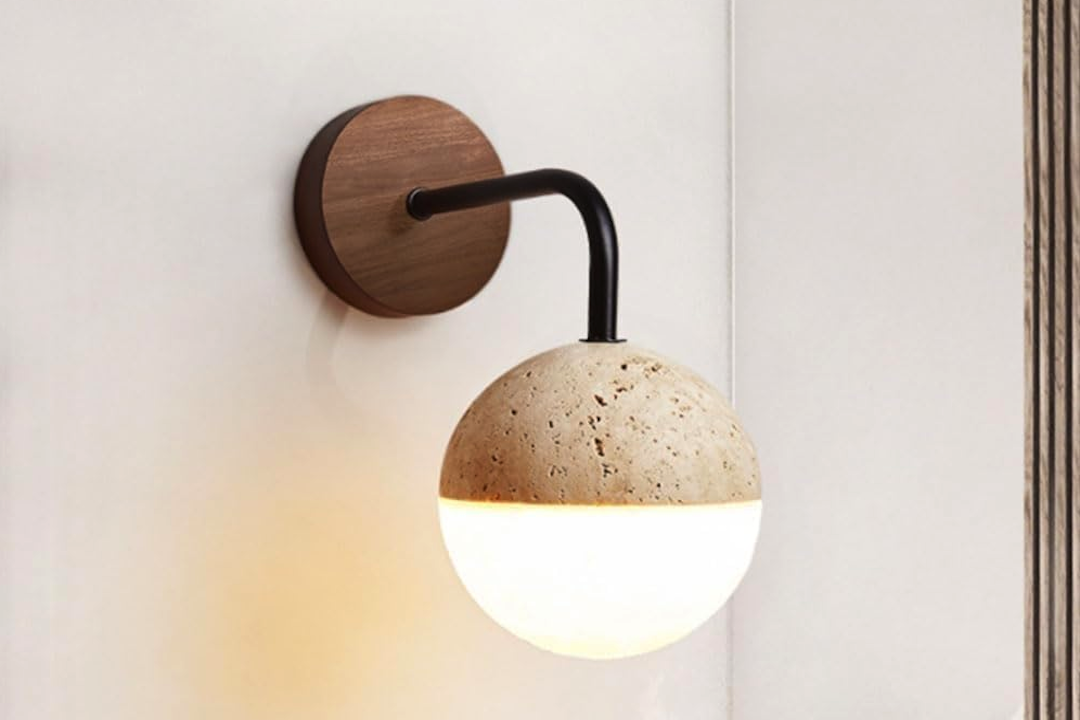
Travertine offers a porous, slightly textured surface with warm, earthy tones ranging from creamy whites to beiges and light browns. It brings a gentle, understated elegance. A travertine sconce diffuses light softly, creating a comforting glow without harshness. It pairs well with light wood cabinetry, white or off-white tiles, and brushed nickel or bronze fixtures.
Slate: Modern and Earthy
Slate is known for its darker, often grey or black hues and its distinct clefted, layered texture. It provides a more contemporary and grounded feel. A slate sconce can add a touch of drama and sophistication. These work particularly well in bathrooms with darker accent walls, concrete finishes, or when contrasting with lighter elements like white ceramic sinks. The texture of slate casts interesting shadows when lit, adding depth.
Marble: Classic Sophistication
Marble, with its inherent veining and polished surface, communicates luxury and timelessness. While often used for countertops and floors, a marble-finished sconce can introduce a refined touch of organic pattern. Carrara marble, with its soft grey veins on a white background, or Calacatta, with thicker, more pronounced veining, can elevate the entire room. These sconces would typically suit bathrooms aiming for a more opulent spa feel, often paired with gold or polished chrome fixtures and extensive use of marble or similar high-end finishes.
River Rock/Pebble: Organic and Rustic
If you are leaning towards a more rustic or directly nature-inspired spa feel, sconces incorporating river rock or pebble finishes are an option. These designs often feature individual stones arranged mosaic-style around the light source. They offer a highly textured, informal look that connects directly to outdoor elements. This choice is compatible with natural wood elements, rough-hewn stone flooring, and outdoor-inspired details like bamboo screens or large potted plants. It fosters a feeling of raw, natural beauty.
Concrete/Plaster: Minimalist and Industrial
While not strictly “stone,” finishes mimicking concrete or textured plaster offer a similar earthy, muted aesthetic. These bring a minimalist, almost industrial-chic vibe that can integrate well into a modern spa design. They are about raw material honesty and can be left in their natural grey or painted a custom color. These finishes pair well with clean lines, dark metal accents, and simple fixtures, creating a serene and uncluttered environment.
Lighting Placement and Functionality
Beyond aesthetics, the placement and type of light are crucial for creating a functional and relaxing spa bathroom. Good lighting design considers both task lighting and ambient lighting, allowing you to control the atmosphere.
Task Lighting Around the Vanity
This is where you need clear, bright light for activities like shaving, applying makeup, or styling hair. Sconces placed on either side of the mirror at eye level are generally the most effective. This setup provides even illumination across your face, minimizing shadows. Avoid placing a single light directly above the mirror, as this can cast harsh shadows under the eyes and chin.
- Sconce Height: Aim for the center of the light source (bulb or diffuser) to be around 60-65 inches from the floor, or approximately at your eye level. This ensures the light reaches your face directly.
- Beam Spread: Consider sconces that offer a good light spread, either through a frosted diffuser or by providing light upwards and downwards. Some stone sconces have a narrow opening, creating a focused beam, while others have a more open design for diffused light.
Ambient Lighting for Relaxation
Ambient lighting sets the mood. This often means dimmer switches and indirect light sources that create a soft glow. Stone finish sconces, particularly those with a diffused light output, excel here.
- Wall Washing: Some sconces are designed to cast light up and/or down the wall, creating a soft “wall washing” effect. This highlights the texture of the wall itself and creates a gentle, indirect illumination throughout the room, avoiding direct glare.
- Recessed Lighting Integration: Alongside sconces, recessed lights on a dimmer can provide general ambient light when needed, then be dimmed low or turned off when you only want the softer glow from the sconces. This layering of light sources is key to a versatile spa bathroom.
Shower and Tub Area Lighting
For safety and ambiance, it’s important to have appropriate lighting in wet areas. While sconces are typically outside the immediate shower stall, waterproof recessed lighting is common within the shower itself. However, a strategically placed stone sconce near the tub or shower area (outside the direct splash zone and rated for bathroom use) can enhance the spa feel.
- Splash Zone Considerations: Always ensure any light fixture in a bathroom, especially near water, is rated for the appropriate damp or wet location. Check the IP (Ingress Protection) rating.
- Soothing Illumination: A dimmer for tub-side lighting allows you to create a very relaxing, low-light environment for soaking, similar to what you’d find in a high-end spa.
Integrating with Other Materials and Textures
A spa bathroom is about harmony. Stone finish sconces work best when they complement the broader material palette of your space, enhancing the overall natural, calm aesthetic.
Wood: Warmth and Contrast
Wood brings warmth and a natural feel to any bathroom. Light woods like bamboo or white oak provide a soft, Scandinavian-inspired contrast to the solidity of stone. Darker woods, such as walnut or teak, can create a more dramatic, grounded look when paired with lighter stone sconces, or a cohesive, richer atmosphere with darker stone.
- Vanity Cabinets: Wood vanities are common. A sleek, minimalist wood vanity can be an ideal backdrop for your stone sconces.
- Accent Walls: Consider a slatted wood accent wall or a wood-paneled ceiling treatment to amplify the natural aesthetic.
Tile Selections: Creating Cohesion
The tiles you choose for your floors and walls will significantly influence the feel of your spa bathroom. Large format tiles in neutral tones often work well, mimicking expansive stone surfaces found in nature.
- Porcelain or Ceramic: Many porcelain or ceramic tiles are designed to mimic natural stone, offering durability and easier maintenance. A matte finish will reduce glare and enhance the natural look.
- Natural Stone Tiles: For a truly authentic spa experience, consider genuine marble, travertine, or slate tiles. Ensure they are properly sealed and maintained for bathroom use. The texture of these tiles will resonate with the texture of your stone finish sconces.
- Subway Tiles, Elevated: Even classic subway tiles can be made to feel spa-like with a handmade, irregular texture or a muted, natural glaze paired with stone accents.
Metals and Fixtures: Balancing the Look
The metallic finishes of your faucets, showerheads, and hardware should complement the natural stone and wood. Generally, brushed or matte finishes are preferred over highly polished, reflective ones for a spa aesthetic.
- Brushed Nickel/Chrome: These are versatile and offer a subtle, clean look that blends with most stone finishes.
- Matte Black: Matte black fixtures provide a modern, graphic contrast, particularly striking against lighter travertine or marble sconces.
- Bronze/Brass: For a warmer, slightly more traditional spa feel, aged bronze or brushed brass can evoke a sense of timeless luxury, especially with warmer-toned stone like travertine.
Greenery: Bringing Life In
Plants are a simple yet effective way to introduce life and freshness into a spa bathroom. They also help purify the air.
- Humidity-Loving Plants: Choose plants that thrive in high-humidity environments, like ferns, peace lilies, or orchids.
- Strategic Placement: Place plants on shelves, in corners, or even hanging from the ceiling. A plant near a stone sconce can highlight the natural textures of both elements.
Practical Considerations and Maintenance
While the aesthetic is important, the practicality of your choices, especially in a bathroom, cannot be overstated. Stone and lighting fixtures require specific considerations for longevity and performance.
Durability and Moisture Resistance
Bathrooms are high-humidity environments. Any fixture you choose, especially lighting, needs to be rated for this. Stone finishes, while generally durable, may have specific porosities and require regular sealing.
- Fixture Ratings: Check for damp- or wet-rated fixtures, particularly for sconces located closer to the shower or tub. This ensures electrical components are protected.
- Stone Porosity: Natural stone is porous. This means it can absorb water, stains, and oils. Ensure your stone finish sconces are sealed (if applicable) and consider the type of stone – some are more absorbent than others. Regular sealing helps protect the surface.
Cleaning and Upkeep
Maintaining the natural beauty of stone finishes requires a gentle approach.
- Gentle Cleaning: Avoid harsh abrasives or acidic cleaners, which can damage the stone surface and potentially dull a sealant. A soft, damp cloth with a mild, pH-neutral cleaner is generally sufficient for regular dusting and cleaning.
- Spot Treatment: For specific stains, consult the manufacturer’s recommendations for the particular type of stone. Prompt cleaning is key to preventing stains from setting.
- Re-sealing: Depending on the type of stone and its exposure to moisture, re-sealing may be necessary every few years to maintain its protective barrier.
Light Bulb Choices
The type of bulb you use in your stone sconces will affect the quality of light and the overall ambiance.
- Color Temperature (Kelvin): For a spa-like feel, choose bulbs with a warmer color temperature, typically between 2700K and 3000K (Kelvin). This mimics incandescent light and promotes relaxation. Cooler temperatures (4000K+) are often perceived as more clinical.
- Dimmable Bulbs: Always opt for dimmable LED bulbs where possible. This allows you to adjust the light intensity from bright task lighting to a soft, ambient glow, crucial for a versatile spa bathroom.
- LED Efficiency: LED bulbs are energy-efficient and long-lasting, reducing the need for frequent bulb changes, especially beneficial for fixtures that might be harder to reach. They also generate less heat, which is a consideration in smaller, enclosed bathroom spaces.
Installation Considerations
Professional installation is often recommended, especially given the electrical nature of sconces and the potential for moisture.
- Wiring: Ensure proper electrical wiring and grounding, particularly in older homes.
- Mounting: Stone sconces can be heavier than other types of fixtures. Confirm that the wall structure can support the weight and that mounting hardware is appropriate.
- Building Codes: Be aware of local building codes regarding electrical work in bathrooms, particularly for fixtures near water sources.


You May Also Like
Enchanting English Cottage Core Fabric Wall Lighting
Exquisite Silk Thorn Embroidered Wall Lamp: A Touch of Elegance