Elevating Interiors with Artisanal Ceramic Lighting
This article explores how artisanal ceramic lighting can add warmth, texture, and a unique touch to interior spaces. Far from being just a light source, ceramic pieces bring handcrafted beauty, personality, and a connection to the maker, transforming the ordinary into something extraordinary.
When we talk about lighting, it’s easy to think purely in terms of function: does it illuminate a space effectively? But lighting is so much more than that. It’s about mood, atmosphere, and injecting personality into our homes. This is where artisanal ceramic lighting truly shines. Unlike mass-produced fixtures, ceramic lights Idmhome offer a tangible connection to their creation. Each piece carries the imprint of the maker’s hands, their artistic vision, and the inherent beauty of clay.
The appeal lies in its multifaceted nature. Ceramic itself is a material with a rich history, grounded in earth and transformed through fire. When shaped into lighting, it becomes something both ancient and contemporary. The textures, glazes, and forms that an artisan can achieve with ceramic simply aren’t replicable by machines. This makes each lamp or pendant a unique statement piece, capable of elevating even the simplest interior design.
Breaking Away from the Mundane
Think about the lighting you typically encounter. Often, it’s sleek metal, frosted glass, or plastic. While these materials have their place, they can sometimes feel a little… predictable. Artisanal ceramic lighting injects a welcome dose of the unexpected. It’s a way to move beyond the expected and introduce elements that tell a story.
The imperfection inherent in handcrafted items is part of the charm. A slight variation in glaze, a subtle thumbprint on the clay, or an uneven surface – these are not flaws to be hidden but details that speak to the human touch and the creation process. This authenticity resonates deeply in today’s world, where we often crave genuine and meaningful objects.
Beyond the Luminary Function
It’s crucial to remember that a ceramic light fixture is not just about the light it casts, but also the object it is. When the light is off, these pieces stand as sculptural elements, adding visual interest and texture to a room. The form itself becomes a significant design feature.
Consider a handcrafted ceramic pendant light hanging in a kitchen. Even when unlit, its unique shape and earthy tones can complement the cabinetry and countertops, adding a layer of sophistication and warmth. Similarly, a ceramic table lamp on a side table can become a focal point, drawing the eye and adding a decorative dimension to the space.
The Tactile Experience
One of the most compelling aspects of ceramic lighting is its tactile quality. Ceramic is inherently a material that invites touch. The smooth, cool glaze or the rough, earthy texture of unglazed clay offers a sensory experience that plastic or metal simply cannot replicate.
Imagine running your hand over a beautifully glazed ceramic base of a table lamp. The depth of the glaze, the subtle variations in its finish – these are details that engage our sense of touch and add a layer of sensual appreciation to the object. This tactile richness can contribute to a feeling of comfort and grounding within a space.
The Versatility of Ceramic Forms
Ceramic’s inherent workability allows artisans to explore a vast spectrum of forms, making ceramic lighting adaptable to virtually any interior style. From minimalist and modern to rustic and bohemian, there’s a ceramic light to suit every aesthetic.
Sculptural Pendants and Chandeliers
The ability of ceramic to be molded, carved, and shaped into intricate designs makes it an ideal material for statement pendant lights and chandeliers. Artisans can create pieces that mimic natural forms, such as petals, pods, or even abstract organic shapes. These can become the artistic heart of a dining room or living area, casting both light and shadow in dynamic ways.
The weight and substance of ceramic also contribute to the presence of these fixtures. A well-designed ceramic pendant won’t feel flimsy or disposable. Instead, it will possess a grounded elegance, anchoring the space below it.
Organic and Biophilic Designs
Many contemporary ceramic lighting designs draw inspiration from nature. Think of pendants that resemble unfurling leaves, textured ceramic shades resembling coral, or lamps with bases shaped like smooth river stones. These biophilic designs bring the calming and grounding influence of the natural world indoors, fostering a sense of well-being.
Geometric and Architectural Forms
On the other hand, ceramic can also be masterfully shaped into precise geometric forms. Clean lines,
faceted surfaces, and repeating patterns can create striking modern or art deco-inspired lighting. These pieces can add a structured, architectural element to a room, offering a counterpoint to softer furnishings.
Table Lamps with Personality
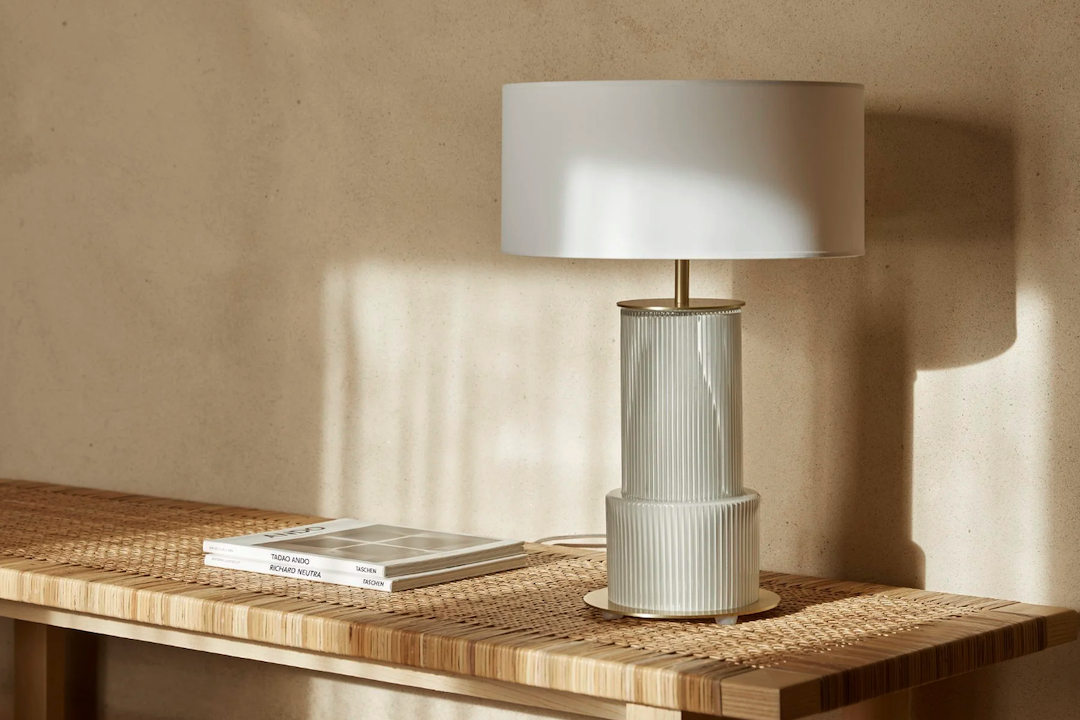
Table lamps are perhaps the most intimate form of lighting, often placed within arm’s reach. Ceramic bases offer an incredible opportunity to imbue these functional objects with personality and artistic flair. The base can be a canvas for intricate carvings, unique glazes, or bold sculptural shapes.
A ceramic table lamp can be a conversation starter, a unique piece of art that also serves a practical purpose. Its size and placement make it an accessible way to introduce artisanal craftsmanship into everyday life.
Earthenware and Stoneware Bases
The choice of clay significantly impacts the final look and feel of a table lamp. Earthenware, with its porous nature and warm, earthy tones, lends itself to rustic and handmade aesthetics. Stoneware, being denser and more vitreous, can be glazed in a wider range of finishes, from matte and chalky to high-gloss and vibrant.
Functional Sculpture
Many ceramic table lamps blur the lines between functional object and sculpture. The base might be a deliberately abstract form, a series of interlocking shapes, or a textured surface that begs to be touched. Thelampshade then complements this base, completing the artistic statement.
Wall Sconces as Art Accents
Ceramic wall sconces can function as both task and accent lighting. Their placement on walls means they are often in the line of sight, making their design and craftsmanship particularly impactful. Artisanal sconces can add depth and visual interest to hallways, staircases, or above bedside tables.
Subtle Textural Touches
A ceramic sconce with a subtly textured glaze can add a layer of sophistication without being overwhelming. This is ideal for spaces where a bolder statement isn’t desired, but a touch of handcrafted elegance is welcome.
Bold Sculptural Statements
Conversely, some ceramic sconces are designed to be significant artistic features. These might be larger, more elaborate pieces that extend from the wall, casting interesting patterns of light and shadow. They can act as almost miniature wall sculptures.
The Art of Glaze and Finish
The glaze is where much of the magic happens with ceramic lighting. It’s not just about color; it’s about texture, luminosity, and the way light interacts with the surface. Artisans use glazes to evoke a wide range of effects, from natural patinas to intensely vibrant hues.
The Spectrum of Hand-Applied Glazes
Unlike factory-applied finishes, hand-applied glazes carry the unique marks of the artisan. This can mean subtle variations in thickness, the intentional pooling of glaze in crevices, or the creation of unique color blends and crackle effects. These nuances contribute to the depth and character of the ceramic piece.
Reactive Glazes and Their Unpredictability
Reactive glazes are a particular favorite among ceramic artists. Their chemical composition causes them to interact with the firing process in unpredictable ways, often resulting in stunning and unique color shifts, crystalline formations, and metallic sheens. Each firing yields a slightly different result, making each piece truly one-of-a-kind.
Matte vs. Glossy Finishes
The choice between a matte or glossy glaze can dramatically alter the perception of the ceramic. Matte glazes tend to absorb light, creating a softer, more subdued effect and highlighting the texture of the clay. Glossy glazes, on the other hand, reflect light, adding a sense of brilliance and depth, and can make colors appear more saturated.
Textured Surfaces and Their Impact
Beyond the glaze itself, the raw surface of the ceramic can be manipulated to create fascinating textures. This can involve carving, incising, adding layers of slip, or even pressing objects into the clay before firing.
Carved and Incised Details
Intricate carving or subtle incising can create patterns that catch the light and add visual interest even when the lamp is off. These details can range from delicate floral motifs to bold geometric designs.
The Beauty of Unglazed Clay
Sometimes, the most compelling finish is no glaze at all. Unglazed ceramic, especially clay with appealing natural colors and textures, offers an honest and grounded aesthetic. These finishes can be highly tactile and add a strong sense of earthiness to a lighting fixture.
Integrating Artisanal Ceramics into Your Decor
Introducing artisanal ceramic lighting into your home doesn’t require a complete overhaul. It’s about thoughtful placement and choosing pieces that complement your existing style. The key is to see these fixtures as more than just functional items; they are opportunities to enhance the aesthetic appeal of your space.
Creating Focal Points That Tell a Story
A strategically placed artisanal ceramic pendant or table lamp can instantly become a focal point. It draws the eye, sparks conversation, and adds a layer of curated design to the room. The story of its creation, the artist’s journey, and the inherent qualities of the material all contribute to this narrative.
The Dining Room Centerpiece
A striking ceramic chandelier can transform a dining room from functional to fabulous. It sets a mood for shared meals and gatherings, acting as both a light source and a piece of art.
The Living Room Anchor
A beautifully crafted ceramic table lamp on a side table or a floor lamp with a substantial ceramic base can anchor a seating area, adding warmth and a touch of the unexpected to the living space.
Balancing Texture and Form
When incorporating artisanal ceramic lighting, consider how its texture and form will play with other elements in the room. A rough, textured ceramic piece might be beautifully complemented by softer furnishings, while a sleek, glazed ceramic fixture could add a contemporary edge to a more traditional setting.
Complements and Contrasts
Think about how the ceramic’s finish will interact with your existing materials. A matte ceramic might soften the gleam of metal, while a glossy ceramic could add a vibrant pop against natural wood.
Scale and Proportion
Ensure the scale of the ceramic lighting fixture is appropriate for the space. An oversized pendant might overwhelm a small room, while a too-small lamp could get lost in a grander space.
Layering Light for Ambiance
Artisanal ceramic lighting is excellent for creating layered lighting schemes. Combine a statement ceiling fixture with smaller accent lamps to achieve a nuanced and inviting atmosphere. The unique qualities of ceramic can add warmth and texture to each layer.
Ambient, Task, and Accent Layers
Think about how each ceramic piece contributes to the overall lighting. A pendant provides ambient light, a table lamp offers task lighting, and a sconce can add subtle accent illumination.
The Emotional Impact of Light Quality
The quality of light cast by ceramic fixtures can be particularly evocative. The way light diffuses through a certain glaze, or the shadows cast by a sculpted form, can significantly impact the mood of a room, fostering feelings of serenity, warmth, or intimacy.
The Enduring Value of Handcrafted Ceramics
In a world increasingly dominated by disposable goods and mass production, artisanal ceramic lighting offers a refreshing alternative. These pieces are not just decorative; they represent a commitment to craft, a connection to tradition, and an investment in enduring beauty.
A Sustainable Choice for Conscious Consumers
Ceramics are a natural material, and when sourced and produced responsibly, they offer a more sustainable lighting option. Supporting artisans also means supporting local economies and preserving traditional skills, making ceramics a choice that aligns with conscious consumerism.
Longevity and Durability
High-quality ceramic lighting is built to last. Unlike many mass-produced items that can degrade over time, ceramic’s inherent durability means these fixtures can be enjoyed for generations.
The Meaningful Connection to Makers
Choosing artisanal ceramic lighting means choosing to connect with the maker. It’s about appreciating the skill, dedication, and artistry that goes into each handcrafted piece. This connection adds a layer of meaning and value that transcends mere aesthetics.
Investing in Unique Pieces
Artisanal ceramic lighting is an investment in uniqueness. Unlike common fixtures that might be found in many homes, each ceramic piece possesses its own distinct character. This individuality ensures your home has a truly personal touch, reflecting your appreciation for quality and artistry.
Beyond Trends, Towards Timelessness
While design trends come and go, the inherent beauty and craftsmanship of artisanal ceramics tend to endure. These are pieces that possess a timeless quality, capable of enhancing interiors for years to come, adapting to evolving styles without becoming dated.
The Heirlooms of Tomorrow
When you choose a piece of artisanal ceramic lighting, you’re not just buying a lamp; you’re acquiring an object with the potential to become an heirloom. These are pieces imbued with history, craftsmanship, and the stories of their creation, destined to be cherished and passed down through generations. Their tactile nature and artistic merit contribute to their lasting legacy, making them more than just lighting, but treasures for the home.


You May Also Like
Enhance Your Space with Practical Plug in Wall Sconces

Illuminate Your Study Room with a Sculptural Artistic Lamp