
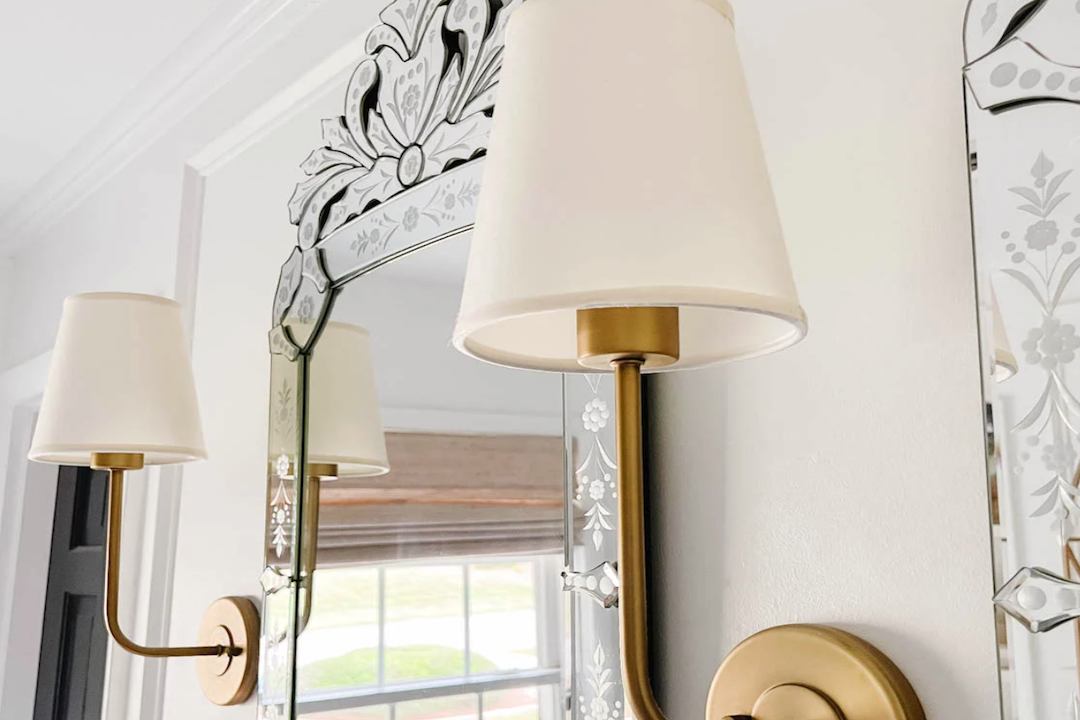
French Country White Fabric Sconce: Timeless Elegance for Your Home
The “French Country White Fabric Sconce” is a light fixture that draws significant inspiration from the broader aesthetic of French Country style. This design movement, originating in the rural provinces of France, developed over centuries, largely independent of the more ornate and formal styles prevalent in Parisian aristocratic circles. Instead, it embraced practicality, natural materials, and a sense of understated elegance, reflecting the lifestyle of generations of farmers, artisans, and gentry who prioritized comfort and durability in their homes.
Historical Context of French Country Style
French Country style materialized from a blend of necessity and available resources. Unlike the often opulent Rococo or Baroque designs found in urban centers, rural homes prioritized functionality. Furniture was robust, built to withstand daily use, and often crafted from readily available local timbers like oak, cherry, and pine. Similarly, textiles were traditionally linen or cotton, chosen for their resilience and ease of cleaning. This pragmatic approach did not, however, preclude aesthetic considerations. Craftsmanship was highly valued, and even utilitarian objects often displayed decorative details, albeit in a more restrained manner than their urban counterparts. This included hand-carved motifs, subtle patinas, and the integration of natural elements such as floral patterns or depictions of farm life.
Evolution of Lighting in French Rural Homes
Early lighting in French rural homes was rudimentary, relying primarily on natural light during the day and candlelight or oil lamps after dusk. As technology advanced, gas lighting became available in some areas, eventually giving way to electricity. However, the design principles established by earlier forms of illumination persisted. Wall-mounted fixtures, or sconces, were favored for their ability to project light across a room without occupying floor space, a practical consideration in typically smaller, more lived-in rooms. The earliest electric sconces often adapted the form of their predecessors, retaining a simple, functional aesthetic, frequently incorporating metalwork, sometimes painted or patinated to mimic older materials.
The Rise of Fabric Shades
The introduction of fabric shades represented a significant development in interior lighting. Before this, light Rodovida sources were often bare, or shielded by glass or metal. Fabric shades, typically made from linen, cotton, or silk, offered a softer, diffused light, reducing glare and creating a more ambient atmosphere. This innovation aligned perfectly with the French Country preference for warmth and comfort. The white fabric in particular, became a prominent element due to its ability to seamlessly integrate with a variety of color palettes, amplifying natural light and contributing to an airy, open feel. The combination of the functional sconce form with the softening effect of a fabric shade proved to be enduring, becoming a hallmark of the style.
Design Philosophy and Aesthetic Principles
The design philosophy underpinning the French Country White Fabric Sconce is rooted in a desire for understated beauty and functional simplicity. It is a testament to the idea that elegance does not necessarily equate to extravagance, but rather to a harmonious balance of form, material, and light.
Simplicity of Form
The fundamental characteristic of this sconce is its unadorned structure. Typically, the mounting plate is simple, often circular, rectangular, or a subtle scroll, attaching discreetly to the wall. The arm extending from the plate, which supports the light source and shade, is usually gently curved or thẳng. This avoids sharp angles or elaborate ornamentation that might detract from the overall softness. The objective is to provide a functional support for the light, allowing the fabric shade to be the primary visual element. This simplicity ensures versatility, enabling the sconce to blend into diverse interior settings without dominating the space.
Material Selection: Metal and Fabric
The choice of materials is central to the sconce’s aesthetic. The metal components, typically iron, steel, or brass, are often finished in a way that suggests age and authenticity. This could involve an antique bronze, distressed black, or a subtle cream paint finish. These finishes are not intended to be pristine or highly reflective; rather, they contribute to a sense of history and warmth. The white fabric shade, conversely, provides a clean, luminous counterpoint. The fabric is usually a natural fiber such as linen or cotton, chosen for its texture and light-diffusing properties. The weave might be plain, or subtly textured, contributing visual interest without introducing excessive pattern. The absence of bold colors or intricate designs in the fabric emphasizes its role as a light diffuser and a complement to the metalwork.
Color Palette: The Significance of White
The designation “white” in the product name is not merely descriptive; it is a fundamental aspect of its design philosophy. White, in this context, is not a monolithic color but a spectrum of muted tones that includes off-white, cream, ivory, and soft beige. This palette is chosen for its ability to reflect light, enhance the perception of space, and create a sense of freshness and calm. In French Country interiors, white often serves as a neutral backdrop, allowing wood tones, natural textures, and subtle accents of color to emerge. The white fabric shade of the sconce acts as a lantern, diffusing the light from within and radiating a soft, inviting glow that harmonizes with this overarching color scheme. It also offers significant adaptability, allowing the sconce to integrate into both traditional and more contemporary interpretations of the style.
Functional Characteristics
Beyond its aesthetic appeal, the French Country White Fabric Sconce is designed with specific functional characteristics that enhance its utility and contribution to a well-lit living space. These features are integral to its enduring popularity.
Light Diffusion and Ambient Illumination
The primary functional characteristic of the fabric shade is its ability to diffuse light. A bare bulb, particularly an LED or incandescent bulb, can produce a harsh, direct light that creates sharp shadows and can be uncomfortable for the eyes. The fabric shade acts as a filter, scattering the light rays and softening their intensity. This results in a more even, ambient illumination that minimizes glare and creates a gentler atmosphere. This softer light is particularly conducive to creating a comfortable and inviting environment in living rooms, bedrooms, or dining areas, where a harsh, task-oriented light might be less desirable. This approach to lighting aligns with the general French Country preference for warmth and coziness.
Directional vs. Diffused Lighting
While sconces can sometimes be used for more directed light, particularly if they have an adjustable arm or an opaque shade, the French Country White Fabric Sconce primarily offers diffused lighting. The open top and bottom, common in many designs, allow some direct light to escape upwards and downwards, creating a subtle wash of light on the wall and ceiling, further enhancing the ambient effect. However, the bulk of the light emanates through the fabric, spreading softly into the room. This makes it an excellent choice for accent lighting or for providing general background illumination when paired with other light sources. It is generally not intended as a primary source for tasks requiring high illumination, such as reading or intricate work, but rather as a contributor to the overall light layering of a room.
Installation Considerations and Versatility
Sconces are inherently space-saving light fixtures, making them suitable for a wide range of applications, particularly in areas where floor or table space is limited. The French Country White Fabric Sconce is typically hardwired into the existing electrical system, requiring professional installation for safety and compliance with building codes. Its straightforward design generally accommodates standard junction boxes. The versatility of this type of sconce is notable; it can be installed individually to highlight a piece of art or architectural feature, or in pairs to flank a fireplace, mirror, or bed. In hallways or stairwells, multiple sconces can provide continuous, welcoming illumination. Furthermore, its relatively neutral aesthetic allows it to integrate with various wall colors and textures, from painted plaster to natural wood paneling. The choice of light bulb (warm white LED, incandescent, or CFL) allows for further customization of the light’s color temperature and intensity, adapting to personal preference and existing room lighting schemes.
Placement and Application in Interiors
The strategic placement of the French Country White Fabric Sconce is crucial for maximizing its aesthetic and functional contributions to an interior space. Its design lends itself to a variety of applications, enhancing both the practicality and the atmosphere of a room.
Enhancing Architectural Features
One common and highly effective application of these sconces is to draw attention to architectural details. For instance, mounting a pair of sconces on either side of a fireplace can frame this focal point, adding symmetry and a soft glow that highlights the mantelpiece and its decorative elements. Similarly, flanking a mirror with sconces not only provides additional light for reflection but also elevates the mirror from a purely functional item to a central decorative piece. In homes with exposed wooden beams or stone walls, sconces can be positioned to graze these surfaces, emphasizing their texture and adding depth to the room. The diffused light creates subtle shadows that enhance three-dimensionality, transforming structural elements into visual assets.
Creating Ambiance in Living Spaces
In living rooms, family rooms, or dining areas, the French Country White Fabric Sconce excels at creating a warm and inviting ambiance. Unlike overhead lighting that can sometimes feel stark or impersonal, sconces contribute to a multi-layered lighting scheme. When used in conjunction with a central chandelier or recessed lighting, they offer a complementary light source that softens the overall illumination. In a living room, a sconce placed next to an armchair can provide just enough light for casual reading without being overly bright, while multiple sconces around a room can contribute to a general, comfortable glow conducive to conversation and relaxation. In dining rooms, flanking a buffet or a prominent wall can add an elegant touch, casting a gentle light that enhances the dining experience without being distracting.
Practical Illumination in Bedrooms and Hallways
Beyond their decorative appeal, these sconces offer practical illumination in more utilitarian spaces. In bedrooms, they serve as excellent alternatives to bedside lamps, freeing up nightstand space. Mounted on either side of the bed, they provide a focused yet soft light for reading or general bedtime activities. Some designs may even feature pull chains or integrated switches for convenient operation from the bed. In hallways and corridors, sconces are often superior to ceiling lights, which can sometimes create long, unflattering shadows. Spaced strategically along a hallway, they provide a consistent, welcoming glow that guides movement and prevents areas from feeling dark or neglected. Their slim profile ensures they do not impede foot traffic, maintaining an uncluttered passage. Similarly, in bathrooms, sconces placed near a vanity mirror can offer flattering, diffused light for personal grooming, avoiding the harsh direct light often associated with overhead fixtures.
Maintenance and Longevity
The French Country White Fabric Sconce, like any well-designed fixture, is intended for durability and requires minimal, yet consistent, maintenance to preserve its aesthetic appeal and functional integrity over time.
Cleaning and Care of Fabric Shades
The primary component requiring specific care is the fabric shade. Over time, fabric can accumulate dust, leading to a dull appearance and potentially hindering light output. Regular dusting with a soft, clean cloth or a feather duster is recommended. For more embedded dust, a soft brush attachment on a vacuum cleaner can be gently used.
Should the fabric shade become stained or accumulate a significant amount of grime, spot cleaning is usually the most appropriate method. A mild detergent mixed with water, applied with a clean, damp cloth, can be used for localized cleaning. It is crucial to test any cleaning solution on an inconspicuous area first to ensure it does not cause discoloration or damage to the fabric. Avoid saturating the fabric, as excessive moisture can lead to water stains, warping, or the growth of mildew. Many fabric shades are not designed to be fully immersed in water or machine washed, as this can damage the internal frame or cause the fabric to shrink or lose its shape. If severe staining occurs, professional cleaning or replacement of the shade may be necessary.
Metal Component Maintenance
The metal components of the sconce, whether iron, brass, or steel, are generally robust. For painted or distressed finishes, occasional dusting with a soft cloth is sufficient. Avoid abrasive cleaners or harsh chemicals, which can strip away the finish or cause discoloration. For metal finishes such as unlacquered brass, which is designed to develop a natural patina over time, specific metal polishes can be used if a bright, shiny appearance is desired. However, many owners prefer the aged look of a living finish, in which case only dusting is required. In cases where the metal components show signs of wear or minor scratches, specialized touch-up paints or waxes designed for the specific metal finish can be applied, following the manufacturer’s instructions. Regular inspection for loose screws or fittings is also advisable to ensure structural stability.
Longevity and Replacement Considerations
The French Country White Fabric Sconce is designed for longevity, with components expected to last for many years with proper care. The lifespan of the electrical components, such as wiring and lamp holders, typically matches or exceeds that of the fixture itself. However, aesthetic components, particularly the fabric shade, may eventually show signs of age, such as fading from prolonged exposure to sunlight, fraying of edges, or irreversible staining.
In such cases, replacement shades are often available from the original manufacturer or through specialty lighting retailers. If sourcing an exact match is difficult, similar white fabric shades can be found that maintain the overall aesthetic. Replacing the shade can revitalize the entire fixture, extending its useful life and refreshing the look of the room. When considering bulb replacement, opting for LED bulbs can significantly reduce energy consumption and the frequency of bulb changes, contributing to the overall sustainability of the fixture. Reputable manufacturers will typically provide warranties on their products, covering defects in materials and workmanship, which can offer additional assurance regarding the fixture’s enduring quality.


You May Also Like
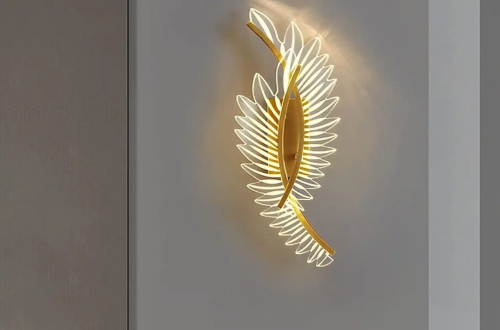
Contemporary Interior Decor with Acrylic Wall Sconces
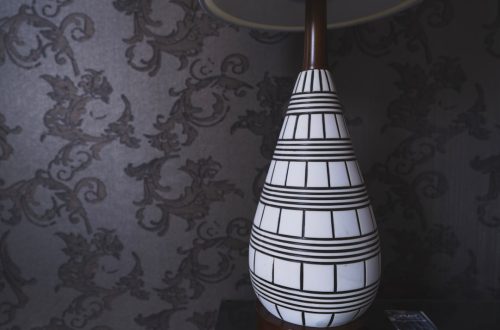
Elegant Shabby Chic Linen Wall Lamp
