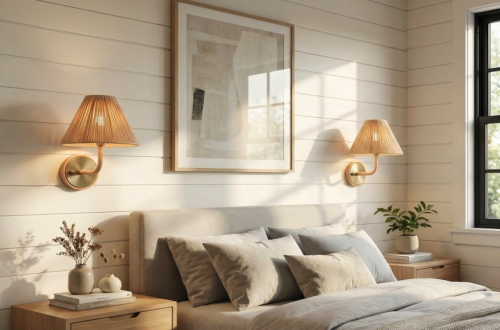
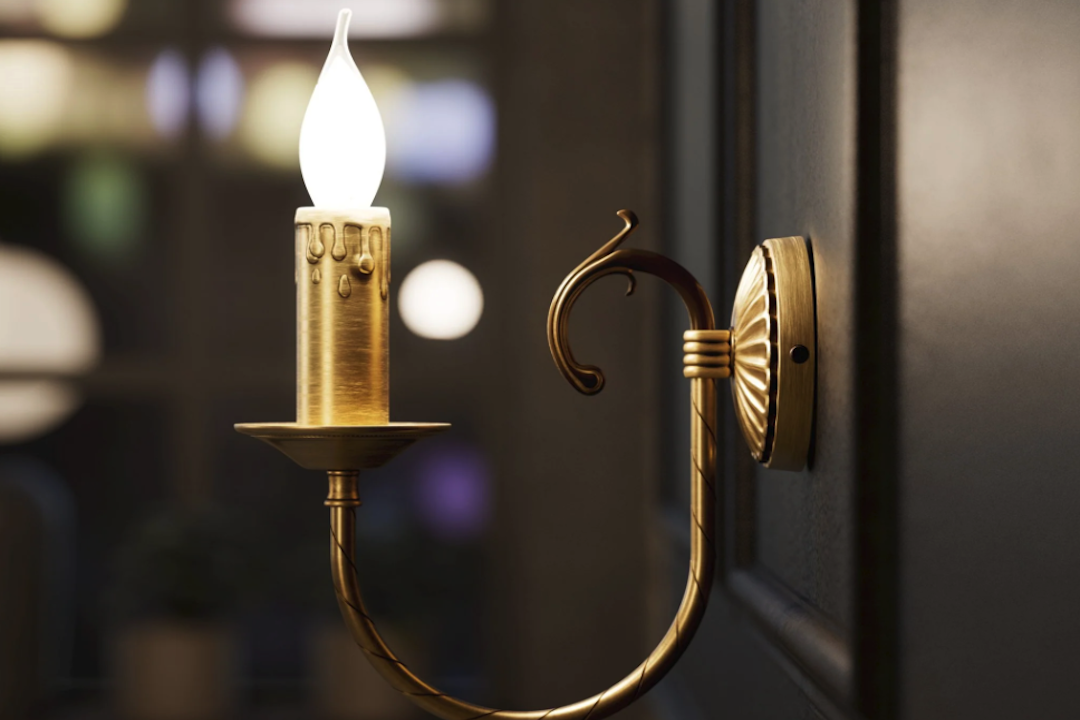
Timeless Elegance: Brass Finished Vintage Wall Sconce
The “Timeless Elegance: Brass Finished Vintage Wall Sconce” refers to a specific category of lighting fixtures designed to evoke historical aesthetic sensibilities while providing functional illumination. This article delves into the characteristics, historical context, materials, manufacturing processes, and cultural significance of such sconces. It aims to provide a comprehensive overview for readers interested in interior design, historical lighting, or the practical application of these fixtures.
Historical Context and Evolution
The wall sconce, as a lighting Shewarek device affixed to a wall, boasts a long and varied history. Understanding its development provides crucial context for appreciating the “Timeless Elegance: Brass Finished Vintage Wall Sconce.”
Early Forms of Wall-Mounted Lighting
Before the advent of electricity, wall-mounted lighting primarily relied on open flames.
- Torches and Candlesticks: Early civilizations utilized wall-mounted holders for torches or simple candleholders to illuminate interiors. These rudimentary fixtures prioritized functionality over aesthetics. Materials were typically found objects like stone, wood, or crude metal.
- Oil Lamps: The introduction of oil lamps offered a more controlled and sustained light source. Wall-mounted oil lamps, often constructed from pottery, bronze, or iron, integrated reservoirs for fuel and wicks. Their design began to incorporate decorative elements due to the improving manufacturing techniques of the time.
The Rise of Brass in Lighting
Brass, an alloy of copper and zinc, emerged as a prominent material in lighting due to its durability, workability, and aesthetic appeal.
- Medieval and Renaissance Applications: During these periods, brass found increasing use in religious artifacts and aristocratic households. Brass sconces, often intricately cast, reflected the wealth and status of their owners. They frequently featured heraldic motifs or detailed scrollwork.
- 17th and 18th Century Domination: The Baroque and Rococo periods saw a proliferation of elaborate brass sconces. These fixtures became significant decorative elements, often paired with candelabras and chandeliers. The development of more sophisticated casting and finishing techniques allowed for increasingly detailed and refined designs. This era represents a zenith for brass in decorative arts, including lighting.
Industrial Revolution and Mass Production
The 19th century brought about significant changes in lighting technology and manufacturing.
- Gas Lighting: The advent of gas lighting revolutionized urban illumination. Wall sconces adapted to accommodate gas jets, often retaining the decorative brass forms of their candle-holding predecessors. These fixtures required specialized plumbing and safety considerations.
- Early Electric Lighting: With the introduction of electricity, the function of the sconce transitioned from holding a flame or gas jet to housing an electric bulb. Early electric fixtures often mimicked the designs of gas or candle sconces, demonstrating a continuity of aesthetic preferences. Brass remained a popular material due to its conductivity, malleability, and established visual appeal.
Design Principles and Aesthetic Characteristics
The “Timeless Elegance: Brass Finished Vintage Wall Sconce” embodies specific design principles that contribute to its enduring appeal.
Period-Specific Design Influences
“Vintage” in this context refers to designs inspired by specific historical periods, typically spanning from the late 19th century through the mid-20th century.
- Art Nouveau (Late 19th – Early 20th Century): Characterized by flowing, organic lines, botanical motifs, and asymmetrical compositions. Brass sconces from this period often feature stylized floral elements, curvilinear arms, and iridescent glass shades. The emphasis was on craftsmanship and the natural world, rejecting rigid historical revival styles.
- Art Deco (1920s – 1930s): Defined by geometric shapes, strong linear patterns, symmetry, and a sense of modernity. Brass Art Deco sconces frequently incorporate stepped designs, sunburst motifs, and often feature frosted or opalescent glass. The aesthetic was bold and luxurious, reflecting the glamour of the Jazz Age.
- Mid-Century Modern (1940s – 1960s): While often associated with minimalist designs and different materials, brass elements were integrated, particularly in forms that leaned towards Sputnik or atomic-era aesthetics. Wall sconces from this period might have simpler, cleaner lines, but brass played a role in adding a touch of sophisticated warmth.
Functional and Decorative Elements
Beyond illumination, these sconces serve as integral decorative components.
- Lamp Holders and Shades: The choice of lamp holder (socket) and shade significantly influences the sconce’s overall aesthetic and light distribution. Shades, often made of glass (opal, frosted, clear, or stained), fabric, or metal, diffuse or direct light, creating various ambiences. The coupling of a particular shade with a brass finish is a critical design decision.
- Mounting Plates and Arms: The backplate, which affixes the sconce to the wall, can range from simple circular or rectangular forms to intricately cast ornate designs. Arms, extending from the backplate to hold the light source, contribute significantly to the sconce’s silhouette and perceived period. Curved arms, straight arms, or multiple articulating arms all convey different stylistic intentions.
The Role of Brass Finish
A brass finish is not merely a color; it is a complex surface treatment that contributes to the “vintage” aesthetic.
- Polished Brass: A bright, reflective finish that evokes a sense of grandeur and historical opulence. It requires regular maintenance to prevent tarnishing and maintain its luster.
- Brushed Brass (Satin Brass): Features a matte, textured appearance achieved by brushing the surface. This finish is less reflective and tends to conceal fingerprints and minor imperfections more effectively. It offers a softer, more understated elegance.
- Antiqued Brass: Achieved through chemical treatments or patination, this finish mimics the aged look of brass that has naturally tarnished over time. It can range from a subtle darkening to a deep brown or verdigris. This finish is particularly popular for achieving a true “vintage” aesthetic without decades of natural aging.
- Lacquered Brass: A clear protective coating applied to brass to prevent tarnishing. While preserving the original finish, lacquered brass can sometimes appear less authentic to some purists, as it prevents the natural development of patina.
Materials and Manufacturing Processes
The creation of a “Timeless Elegance: Brass Finished Vintage Wall Sconce” involves specific materials and skilled manufacturing techniques.
Core Materials
The primary material for the fixture’s body is brass, but other components further refine its practical and aesthetic qualities.
- Brass Alloys: Various brass alloys are used, chosen for their specific properties such as ductility (for forming), machinability (for intricate details), and corrosion resistance. The exact composition (copper to zinc ratio) influences the brass’s color and workability.
- Glass: A critical material for shades, diffusers, and decorative elements. Types include opal glass (for soft, diffused light), clear glass (for direct light and showcasing the bulb), etched or frosted glass (for decorative patterns and light diffusion), and stained glass (for artistic, colored light).
- Other Metals: Steel is often used for internal structural components due to its strength. Copper may be used for wiring due to its conductivity.
- Electrical Components: Essential for modern functionality, these include lamp holders (sockets), wiring, terminal blocks, and sometimes dimmers or switches. Safety ratings and certifications (e.g., UL, CE) are paramount.
Manufacturing Techniques
From raw materials to finished product, a series of processes brings these sconces to life.
- Casting: A fundamental process for creating intricate shapes. Molten brass is poured into molds (sand molds or permanent molds) to form complex components like backplates, ornate arms, or decorative finials. This process allows for reproduction of historical designs with great fidelity.
- Stamping and Forming: For simpler shapes or larger production runs, brass sheets are cut and formed using presses and dies. This technique is more efficient for producing uniform, less ornate components.
- Machining: Lathes, mills, and drills are used to refine cast or formed components, create threads, drill holes, and achieve precise dimensions for assembly.
- Soldering and Welding: Used to join brass components, creating a strong and seamless structure. The choice of technique depends on the joint type and aesthetic requirements.
- Finishing Processes: After assembly, the crucial finishing steps are applied:
- Polishing: Mechanical buffing and abrasive compounds are used to achieve a high-gloss, reflective surface.
- Brushing: A specialized brushing machine or abrasive pads create the characteristic fine lines of a brushed finish.
- Patination/Antiquing: Chemical solutions (e.g., liver of sulfur, ammonia fuming) are used to accelerate the oxidation process, creating an aged appearance. This requires careful control to achieve the desired effect.
- Lacquering: A clear protective lacquer is applied, typically by spraying, to seal the brass surface and prevent tarnishing. Strict quality control ensures even coating and adherence.
- Assembly and Wiring: Components are carefully assembled, and electrical wiring is integrated according to safety standards. Each fixture undergoes testing to ensure electrical integrity and functionality.
Practical Considerations and Installation
Selecting and installing a “Timeless Elegance: Brass Finished Vintage Wall Sconce” requires attention to practical details beyond aesthetics.
Placement and Functionality
Strategic placement ensures both optimal illumination and aesthetic impact.
- Task Lighting: Sconces can provide focused light for specific activities. For example, flanking a bathroom mirror for grooming, or positioned above a reading chair. The design of the shade will influence the light spread.
- Accent Lighting: Used to highlight architectural features, artwork, or decorative elements. The soft, ambient glow from a well-placed sconce can add depth and character to a room.
- Ambient Lighting: When used in multiples or in conjunction with other light sources, sconces contribute to the overall illumination of a space, creating a warm and inviting atmosphere. Consider dimmable options for greater control over mood.
- Hallways and Stairwells: Sconces are effective in these transitional spaces, providing safe passage and adding architectural interest without encroaching on floor space. Ensure adequate brightness and even light distribution.
Installation Requirements
Proper installation is critical for safety and optimal performance.
- Electrical Box Compatibility: Most wall sconces are designed to mount to a standard electrical junction box. Ensure the existing box is properly secured and rated for the fixture’s weight.
- Wiring: Adherence to local electrical codes is paramount. If comfortable, a competent DIYer may undertake the task, but for complex installations or if unsure, engaging a certified electrician is strongly recommended. Proper grounding is essential.
- Mounting Hardware: The sconce usually comes with appropriate mounting hardware (screws, universal mounting bracket). Ensure these are robust enough to support the fixture securely.
- Wall Surface: Consider the type of wall material (plaster, drywall, masonry). Specialized anchors may be required for secure mounting in some cases.
- Weight Distribution: For heavier sconces, especially those with glass shades, ensure the mounting structure can bear the weight without stressing the electrical box or wall.
Maintenance and Care
To preserve the finish and functionality, regular maintenance is necessary.
- Cleaning: Dusting with a soft, dry cloth is usually sufficient for general cleaning. For more thorough cleaning, a slightly damp cloth can be used on non-electrical parts. Avoid abrasive cleaners or harsh chemicals, especially on lacquered or antiqued finishes, as these can damage the surface.
- Polished Brass: Requires periodic polishing with a specialized brass cleaner to maintain its luster and remove tarnish. Follow product instructions carefully.
- Lacquered Brass: Should generally only be cleaned with a soft, damp cloth. Avoid polishes, as they can abrade or remove the lacquer.
- Antiqued Brass: Typically requires minimal care beyond dusting, as its aged appearance is part of its charm. Avoid harsh cleaning that could remove the patina.
- Bulb Replacement: Use the correct wattage and bulb type specified by the manufacturer to avoid overheating or improper function. Always turn off power to the fixture before replacing bulbs.
Cultural Significance and Enduring Appeal
The “Timeless Elegance: Brass Finished Vintage Wall Sconce” transcends mere utility; it embodies cultural values and an enduring aesthetic preference.
Symbolism and Status
Historically, elaborate lighting fixtures, particularly those made of brass, were symbols of affluence and refinement.
- Indicator of Wealth: In prior eras, owning finely crafted brass sconces signified economic prosperity and a dedication to aesthetic excellence. The materials and craftsmanship were expensive, placing such items out of reach for the masses.
- Connection to Heritage: These fixtures often evoke a sense of tradition and permanence. They connect contemporary spaces to historical building practices and design philosophies, offering a visual bridge to the past.
- Expression of Taste: Choosing a “vintage” brass sconce signifies an appreciation for craftsmanship, historical design, and a rejection of purely utilitarian or ephemeral trends. It reflects a considered approach to interior decoration.
Versatility in Interior Design
Despite their historical origins, these sconces integrate seamlessly into diverse design schemes.
- Traditional and Classic Interiors: Naturally complement period-style decor, enhancing the authenticity of a room’s aesthetic. They are at home in Victorian, Edwardian, Georgian, or Colonial revival settings.
- Transitional Spaces: Can bridge the gap between traditional and contemporary styles, offering a touch of warmth and historical depth in a more modern setting. A well-chosen brass sconce can act as a crucial anchor in such designs.
- Modern and Industrial Settings: When used thoughtfully, a brass vintage sconce can provide an unexpected focal point, adding a layer of texture and historical interest against a minimalist or industrial backdrop. The contrast can be highly effective, breaking up stark lines with organic curves or a warm metallic sheen.
- Eclectic Designs: In rooms that purposefully mix styles, periods, and origins, these sconces contribute to the narrative, adding a piece of history among varied elements. They act as anchors of the past in a dynamic present.
Longevity and Sustainability
The inherent qualities of these sconces contribute to their prolonged usefulness and reduced environmental impact.
- Durability of Brass: Brass is a robust and long-lasting material, highly resistant to corrosion. Unlike some contemporary materials, it does not degrade quickly, ensuring a long product lifespan.
- Repairability: Brass fixtures are often repairable. Components can be re-soldered, re-polished, or re-wired, extending their life considerably, contrasting with disposable trends.
- Classic Design: The “timeless” aspect of their design ensures they remain aesthetically relevant across changing trends. They are less likely to become obsolete from a style perspective, reducing the need for frequent replacement.
- Reduced Waste: Investing in durable, classic pieces reduces demand for mass-produced, short-lived alternatives, thereby contributing to a more sustainable consumption model. This deliberate choice is an antithesis to planned obsolescence.
In conclusion, the “Timeless Elegance: Brass Finished Vintage Wall Sconce” is more than just a light fixture. It is a product of rich history, meticulous craftsmanship, and enduring design principles. Its presence in an interior signals an appreciation for beauty, quality, and a connection to the past, while serving a crucial functional role in illuminating and defining a space.


You May Also Like
Enchanting English Cottage Core Fabric Wall Lighting
Modern Industrial Wall Lamp: Stylish Lighting for Any Space