Bamboo Lampshade: The Eco-Friendly Pendant Lamp
The humble lampshade, often an overlooked interior design element, plays a crucial role in shaping the ambiance of a room. As the demand for sustainable and aesthetically pleasing home décor grows, the bamboo lampshade has emerged as a compelling option, offering a blend of natural beauty, environmental responsibility, and functional versatility. This article will explore the characteristics, benefits, and applications of bamboo lampshades as an eco-friendly pendant lamp choice.
The Material: Understanding Bamboo
Bamboo, a member of the grass family, is a rapidly growing renewable resource with a multitude of applications. Its unique properties make it an attractive material for lampshades Munilo and other decorative items.
Growth and Sustainability
Unlike trees, which can take decades or centuries to mature, certain bamboo species can grow up to a meter in a single day. This remarkable growth rate allows for frequent harvesting without depleting the plant population. Once harvested, bamboo regenerates quickly from its root system, minimizing land use and the need for replanting. This inherent renewability positions bamboo as a highly sustainable alternative to timber and plastics derived from fossil fuels.
Structural Properties
Bamboo possesses a remarkable strength-to-weight ratio, comparable to steel. Its hollow, segmented structure provides inherent rigidity and flexibility. These properties are advantageous in crafting durable and lightweight lampshades that can withstand everyday handling. The natural fibers of bamboo also lend themselves to various crafting techniques, from weaving and carving to laminating.
Environmental Impact
The cultivation of bamboo generally requires less water and no pesticides or herbicides, unlike many common agricultural crops. Its extensive root system helps prevent soil erosion, and like trees, bamboo absorbs significant amounts of carbon dioxide from the atmosphere during its growth. This makes bamboo a carbon-sequestering material, contributing positively to environmental health.
Design and Aesthetics
The natural appeal of bamboo translates directly into the visual character of lampshades crafted from it. Its earthy tones and organic textures can introduce a sense of warmth and tranquility into a living space.
Natural Textures and Colors
Bamboo exhibits a range of natural hues, typically from pale straw to a deeper golden brown. The individual segments and fibrous appearance create subtle yet engaging textures. These natural variations mean that each bamboo lampshade possesses a degree of uniqueness, avoiding the uniformity often associated with mass-produced synthetic materials.
Versatility in Forms
Bamboo’s malleability allows designers to create a diverse array of lampshade shapes. From simple cylindrical or conical forms to intricate woven patterns and geometric constructions, bamboo can be shaped to suit various interior design styles. Its ability to be bent, cut, and woven opens up a world of design possibilities.
Woven Designs
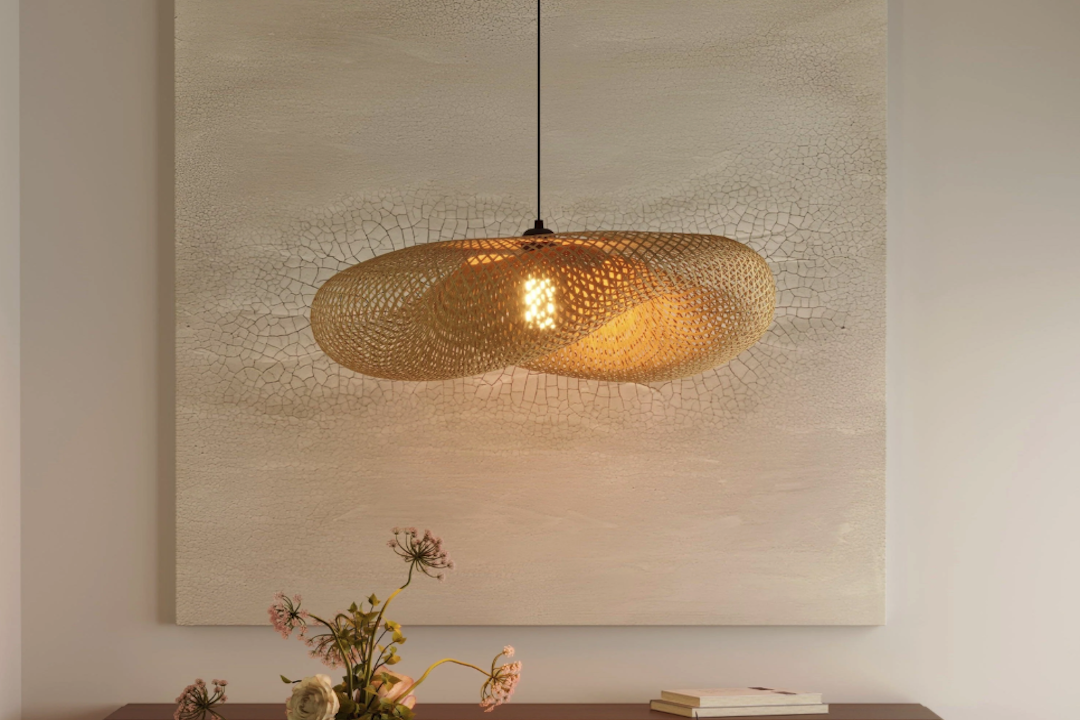
Woven bamboo lampshades often showcase intricate patterns, allowing light to filter through the gaps in the weave, creating dappled light effects on walls and ceilings. This technique adds a layer of visual interest and can contribute to a soft, diffused illumination. The weaving process itself can be a skilled craft, with artisans developing unique techniques passed down through generations.
Carved and Perforated Designs
Bamboo can also be carved or perforated to create decorative motifs and patterns. These designs can range from simple geometric shapes to more elaborate floral or abstract designs. The perforations allow for controlled light diffusion and can cast interesting shadows, transforming a plain light source into a dynamic visual element.
Pressed and Laminated Structures
For more uniform and robust lampshade designs, bamboo can be pressed and laminated into sheets or other structural components. This method is often used to create more modern and minimalist designs, where the clean lines of the material are emphasized.
Integration with Other Materials
Bamboo lampshades can also be effectively combined with other natural or sustainable materials. This might include accents of natural wood, recycled metal, or even organic fabrics, further enhancing their eco-credentials and design appeal.
Eco-Friendly Attributes and Benefits
The “eco-friendly” designation of bamboo lampshades is rooted in several key environmental advantages.
Renewable Resource Utilization
As previously discussed, the rapid growth cycle of bamboo stands in stark contrast to the lengthy maturity of timber. This ensures a sustainable and replenishing source for manufacturing, reducing deforestation and the associated ecological damage. This is akin to drawing from a well that replenishes itself, allowing for continued use without depletion.
Biodegradability
At the end of its lifecycle, bamboo is naturally biodegradable, meaning it will decompose without leaving harmful residues in landfills. This contrasts with many plastics, which can persist in the environment for hundreds of years. This inherent biodegradability is a significant advantage in reducing long-term waste.
Reduced Carbon Footprint
The cultivation of bamboo and the manufacturing processes often associated with it tend to have a lower carbon footprint compared to the production of synthetic lighting components. The material’s ability to absorb CO2 during growth further offsets its manufacturing impact.
Avoidance of Harmful Chemicals
Unlike some manufactured materials, bamboo itself does not typically require harsh chemicals for its growth or initial processing. This contributes to a healthier product for both the environment and the consumer.
Practical Considerations and Applications
Beyond their aesthetic and environmental merits, bamboo lampshades offer practical advantages in various settings.
Durability and Longevity
Despite its lightweight nature, bamboo is surprisingly durable. Lampshades made from well-crafted bamboo can last for many years, resisting breakage and wear with proper care. This longevity contributes to their overall sustainability by reducing the need for frequent replacements.
Lightweight Construction
The inherent lightness of bamboo makes installation and handling easier, especially for pendant lamps that may need to be hung at considerable heights. This can simplify the assembly and maintenance processes.
Diffusion of Light
The porous nature of many bamboo lampshade designs allows for a soft and diffused illumination. This can create a warm and inviting atmosphere, reducing glare and harsh shadows, making them ideal for living rooms, bedrooms, and dining areas. The dappled light effect can turn the illumination experience into a subtle art form.
Pest Resistance
Certain types of bamboo possess natural resistance to insects and decay, contributing to the longevity and low maintenance of the lampshade. This inherent resilience means they are less susceptible to common household pests.
Applications in Interior Design
Bamboo lampshades are versatile and can complement a wide range of interior design styles, from modern bohemian and Scandinavian to rustic and minimalist.
Living Rooms
In a living room, a bamboo pendant lamp can serve as a focal point, casting a warm glow and adding a natural touch to the décor. Woven designs can create a cozy atmosphere perfect for relaxation.
Bedrooms
For bedrooms, the soft, diffused light from a bamboo lampshade can promote a tranquil and restful environment. Simple, unadorned designs can enhance a minimalist aesthetic.
Dining Areas
Above a dining table, a cluster of bamboo pendant lamps can create an intimate and inviting setting for meals. The natural material can also complement food presentation.
Kitchens
In kitchens, particularly those with a modern or rustic theme, bamboo lampshades can offer a stylish and functional lighting solution. Their durability and ease of cleaning are also beneficial in this space.
Other Spaces
Beyond these common areas, bamboo lampshades can be used in hallways, entryways, and even covered outdoor spaces, bringing a touch of nature and soft light to various environments.
Installation and Maintenance
Proper installation and regular maintenance will ensure the longevity and optimal performance of a bamboo lampshade.
Installation Guidelines
When installing a pendant lamp with a bamboo shade, it is important to follow the manufacturer’s instructions carefully. Ensure the electrical connections are secure and that the fixture is properly supported to bear the weight of the lampshade. For larger or more intricate shades, professional installation may be advisable. The fixture should be robust enough to support the weight, much like a ship needs a strong hull to stay afloat.
Cleaning and Care
Cleaning bamboo lampshades is generally straightforward. Dust can be removed with a soft brush or a dry cloth. For more persistent dirt or grime, a slightly damp cloth can be used, followed by immediate drying to prevent water damage. Avoid using harsh chemicals or abrasive cleaners, as these can damage the bamboo and its finish. Regular dusting will prevent the buildup of particles that can dull the lampshade’s appearance over time.
Bulb Selection
When choosing a light bulb for a bamboo lampshade, consider the type of light desired. LED bulbs are highly recommended due to their energy efficiency and low heat output. High heat from incandescent bulbs can potentially damage the bamboo over extended periods. The lumen output and color temperature of the bulb should be selected to achieve the desired ambiance for the space.
Avoiding Harsh Conditions
While durable, bamboo is a natural material and should be protected from excessive moisture and direct sunlight. Prolonged exposure to direct sunlight can cause fading over time, and constant dampness can lead to mold or degradation. Using the lampshade in appropriate indoor environments will maximize its lifespan.
Conclusion: A Sustainable Choice for Illumination
The bamboo lampshade stands as a testament to the beauty and efficacy of sustainable materials in interior design. Its rapid renewability, biodegradability, and natural aesthetic make it an appealing and responsible choice for those seeking to reduce their environmental impact without compromising on style. As the global focus on eco-conscious living continues to grow, the bamboo lampshade offers a bright and accessible solution for illuminating our homes and workspaces with a touch of nature’s elegance. Its integration into our living spaces is not merely about providing light; it is about making a conscious choice that ripples outward, supporting sustainable practices and a healthier planet.


You May Also Like
Elegant Milky White Cloud Chandeliers for Bedrooms
Elegant Medieval Roman Column Chandeliers for Living Rooms