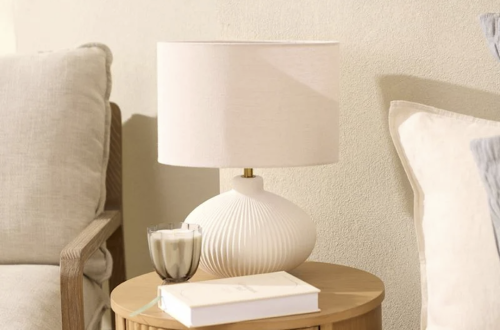
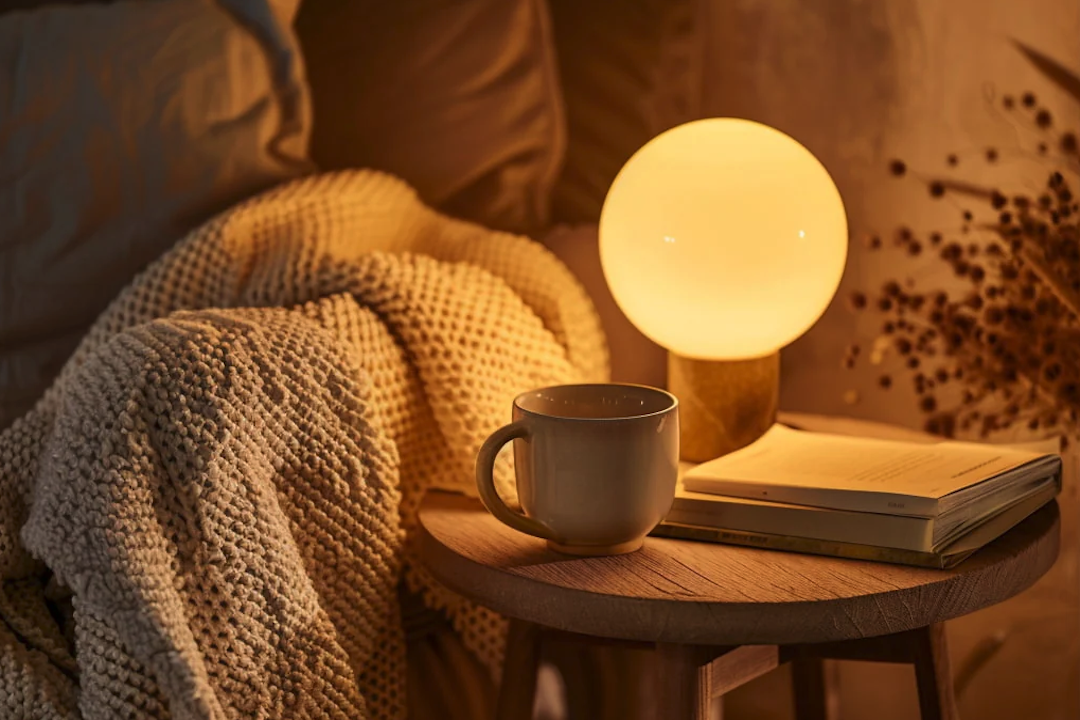
Creating a Warm Bedside Night Atmosphere with Linen Table Lamp Lighting
You’re looking to create a cozy, inviting bedside experience, and linen table lamp lighting is a fantastic way to achieve that. Simply put, linen lamps diffuse light beautifully, softening the harsh glare of traditional bulbs and creating a gentle, warm ambiance perfect for winding down. It’s a practical choice for anyone who wants their bedroom to feel like a retreat, not just a place to sleep.
Linen lamps aren’t just about aesthetics; they offer a functional advantage that directly impacts the feel of your space. The fabric itself plays a crucial role in how light Posnano is perceived.
The Magic of Diffusion
Unlike a bare bulb or a solid shade, linen acts as a natural diffuser. The woven fibers scatter and soften the light, eliminating harsh shadows and bright spots. This creates a uniform glow that’s much easier on the eyes, especially when you’re transitioning from a well-lit room to a dimmer setting. Think of it like comparing direct sunlight to light filtered through sheer curtains – one is intense, the other is gentle and inviting.
Warmth Without the Heat
Linen fabric, by its nature, tends to lend a slightly warmer tone to the light, even with a cool-toned bulb. This isn’t about heat generation, but rather the subtle color filtration of the fabric. This inherent warmth contributes significantly to that coveted “cozy” feeling, making your bedside area feel more intimate and comfortable.
A Nod to Natural Textures
In an age where we’re increasingly surrounded by synthetic materials, incorporating natural textures like linen can be incredibly grounding. The subtle texture of linen adds visual interest without being overly busy, promoting a sense of calm and organic simplicity in your bedroom. It’s a quiet design choice that speaks volumes.
Choosing the Right Linen Lamp for Your Bedside
Selecting the perfect lamp involves more than just liking the look. Consider how it will function within your existing space and alongside your routine.
Size and Scale Matter
This is often overlooked, but crucial. A tiny lamp on a large nightstand can look lost, while an oversized lamp can overwhelm a small space. A good rule of thumb is that the bottom of the lampshade should be roughly at your eye level when you’re sitting up in bed. This prevents direct glare and ensures the light is aimed where you need it most. Also consider the overall width – leave enough room on your nightstand for books, a glass of water, and other essentials.
Shade Shape and Light Distribution
The shape of the linen shade directly impacts how the light spreads.
- Drum Shades: These are classic for a reason. They offer even, omnidirectional light, illuminating the space around the lamp broadly. Great for general ambient light.
- Cone or Empire Shades: These direct more light downwards and upwards, making them good for task lighting if you’re reading, but they also cast a pleasant upward glow on the ceiling.
- Square or Rectangular Shades: These can offer a more contemporary feel and direct light in a slightly more contained fashion, fitting well with angular furniture.
Consider what you primarily use your bedside lamp for – reading, mood lighting, or both – and choose a shade shape accordingly.
Base Material and Style Alignment
While the linen shade is the star, the lamp base provides the foundation and styling.
- Wood Bases: These evoke a natural, earthy feel, perfect for Scandinavian, rustic, or even minimalist bedrooms. They add warmth and can range from light ash to dark walnut.
- Ceramic Bases: Offer a wide range of colors and textures, from smooth matte finishes to glazed patterns. They can add a touch of handcrafted artistry or a subtle pop of color.
- Metal Bases (Brass, Bronze, Matte Black): These can introduce an industrial edge, a touch of modern sophistication, or even a vintage vibe depending on the finish and design. They often stand out more as a design element.
- Glass Bases: Clear or frosted glass bases can lend an airy lightness, especially in smaller rooms, and reflect ambient light, enhancing the overall glow.
The base should complement your existing bedroom decor. If your room is full of natural wood, a wooden base might blend seamlessly. If you want a contrast, a metallic or ceramic base could provide that.
Bulb Selection for Optimal Ambiance
The right bulb is just as important as the linen shade in crafting that warm atmosphere. Don’t underestimate its impact.
Color Temperature (Kelvin)
This is perhaps the most critical factor. Color temperature is measured in Kelvins (K) and dictates how “warm” or “cool” the light appears.
- 2700K – 3000K (Warm White/Soft White): THIS is your sweet spot for a warm, cozy bedside. It mimics the glow of incandescent bulbs, creating a soft, yellowish light that feels inviting and relaxing. It’s ideal for winding down and promotes relaxation.
- 3500K – 4000K (Neutral White/Cool White): These start to feel a bit too bright and clinical for a bedside atmosphere. They can be good for task lighting in an office but aren’t conducive to relaxation.
- 5000K+ (Daylight): Definitely avoid these for bedside lamps. They are very bright, blue-toned, and mimic natural daylight, which can disrupt melatonin production and make it harder to fall asleep.
Stick to the 2700K-3000K range for that perfect, gentle glow.
Brightness (Lumens)
Lumens indicate the actual brightness of the bulb. For a bedside lamp, you don’t want anything too powerful.
- 200-400 Lumens: This range is generally sufficient for ambient bedside lighting and comfortable reading without being overpowering.
- Dimmable Bulbs: This is the ultimate solution. A dimmable LED bulb (paired with a dimmable lamp switch, if possible) allows you to adjust the brightness precisely. You can have it brighter for reading and then dim it down to a very subtle glow for winding down. This flexibility is invaluable.
Bulb Type: LED is Your Best Bet
While you might still find incandescent bulbs, LEDs are superior for a number of reasons:
- Energy Efficiency: They consume significantly less power, saving you money in the long run.
- Longevity: LEDs last for years, sometimes decades, meaning fewer bulb changes.
- Less Heat: They run cooler, which is a big plus for enclosed fixtures and bedside use, where you might be close to the lamp.
- Consistent Color: Quality LEDs maintain their color temperature throughout their lifespan.
When buying LED bulbs, look for “dimmable” on the packaging if you want that functionality, and always check the Kelvin (K) rating for color temperature.
Placement and Pairing for Maximum Effect
It’s not just about the lamp itself; it’s about how you integrate it into your bedside ecosystem.
Symmetrically or Asymmetrically?
- Symmetry: Having two identical linen lamps, one on each side of the bed, creates a balanced, harmonious, and often more formal look. It’s a classic choice that feels calming and orderly.
- Asymmetry: Don’t be afraid to mix things up. You could have a linen table lamp on one side and a reading sconce on the other, or two different yet complementary lamps. This can add a touch of personality and eclectic charm, but ensure the styles and light temperatures are compatible to maintain a cohesive feel.
Beyond the Nightstand
While the nightstand is the obvious home, think about other nearby surfaces.
- Small Dresser or Chest: If your bedroom layout allows, a linen lamp on a small dresser or chest a little further from the bed can add another layer of ambient light, creating a softer overall glow in the room without directly illuminating your sleeping area.
- Window Ledge: In some configurations, a window ledge can accommodate a smaller lamp, adding a lovely glow to the window treatment. This is more for ambiance than direct utility.
Complementary Elements
The lamp doesn’t stand alone. Think about what surrounds it.
- Textiles: Soft bedding, cozy throws, and plush rugs all work in concert with the warm light from a linen lamp to amplify that inviting atmosphere. Consider natural materials like cotton, wool, and linen itself.
- Natural Materials: Wooden furniture, rattan baskets, and ceramic decorative items echo the organic feel of the linen shade, creating a unified, calming aesthetic.
- Dimmer Switches: As mentioned earlier, if your lamp doesn’t have an integrated dimmer, consider an in-line dimmer switch for the cord if your bulb allows. This gives you ultimate control over the brightness.
- Reading Material: Having a stack of your favorite books or a neatly organized magazine rack beside the lamp further cements its role as a space for relaxation and unwinding.
Practical Considerations and Maintenance
A beautiful lamp is one thing; a functional and well-kept one is another.
Ease of Use
Ensure the switch is easy to access from your bed. Pull chains, rotary switches, or push-button switches are common. Some modern lamps even feature touch-activated bases or smart home integration, allowing you to control them with your voice or phone. Consider what will be most convenient for you when you’re half-asleep.
Cleaning Your Linen Shade
Linen shades, being fabric, will collect dust. Regular, gentle cleaning is key to keeping them looking fresh and allowing light to pass through unobstructed.
- Dusting: Use a soft, dry microfiber cloth or a feather duster regularly (perhaps once a week) to gently wipe down the shade.
- Vacuuming: For deeper cleaning, use the brush attachment on your vacuum cleaner on a low setting. Hold the attachment slightly away from the fabric to avoid creasing or damaging it.
- Spot Cleaning: For small marks, a very slightly damp cloth (water only, no harsh chemicals) can be carefully dabbed on the spot. Test an inconspicuous area first. Avoid saturating the fabric.
- Professional Cleaning: If your shade becomes heavily soiled or stained, a professional lampshade cleaner might be the best option, as aggressive cleaning can damage the linen.
Longevity of the Lamp Itself
Invest in a quality lamp. A sturdy base, well-constructed electrical components, and a durable shade will ensure your lamp not only looks good but also functions safely for years to come. Check reviews and manufacturer reputations. While a cheap lamp might seem like a good deal initially, it can often disappoint in terms of durability and performance.
By paying attention to these details, from the type of linen to the placement and supporting elements, you can easily create a bedside sanctuary that feels inviting, warm, and perfectly tuned for relaxation and peaceful evenings. It’s about crafting an experience, not just adding a light source.


You May Also Like

Why Buy a Moon Beam Light?
Protect Your Eyes with a Simple Table Lamp