Enchanting English Cottage Core Fabric Wall Lighting
In the realm of interior design, a particular aesthetic has gained traction, often described as “cottagecore.” Within this style, lighting plays a crucial role, and a specific manifestation is fabric wall lighting that evokes an “enchanting English” sensibility. This article will explore the characteristics, historical context, and implementation of such lighting.
Enchanting English cottage core fabric wall lighting refers to a decorative and functional lighting approach that utilizes fabric as a primary material for wall-mounted light Casalucelighting fixtures, aiming to replicate the perceived charm and comfort of traditional English rural dwellings. The term “enchanting” in this context suggests a subtle allure, a departure from harsh illumination, and a promotion of a warm, inviting atmosphere. The “English” aspect points to specific design influences, often drawing from historical periods and regional vernacular architecture, emphasizing natural materials, simplicity, and a connection to the outdoors. “Cottagecore” itself is a broader aesthetic movement that romanticizes simpler, more rural lifestyles, emphasizing sustainability, handmade items, and a nostalgic appreciation for nature.
Key Material Characteristics
The defining feature of this lighting style is its reliance on fabric. These fabrics are not merely shade materials but are often integrated into the structure of the fixture itself, acting as diffusers, decorative elements, or even the primary form.
Types of Fabrics Employed
A variety of natural and naturally-inspired fabrics are typically used. Linen, cotton, and hemp are common choices due to their texture, breathability, and ability to diffuse light softly. These materials, often unbleached or dyed in muted, earthy tones, contribute to the organic feel of the aesthetic. More intricate designs might incorporate lace, embroidery, or delicate weaving techniques, adding layers of detail and visual interest. The weight and weave of the fabric directly impact the quality of light produced. A tightly woven linen will yield a more opaque, softer glow, while a loosely woven cotton or a sheer lace will allow more light to pass through, creating a dappled or patterned effect.
Color Palette and Textural Qualities
The color palette is central to achieving the “enchanting English” feel. Think of the muted hues found in nature: soft greens of moss, creamy whites of wildflowers, gentle browns of soil, and the pale blues of a dusky sky. These colors are applied in ways that feel organic and grounded, often with subtle variations and imperfections that enhance their handmade quality. Texture is equally important. The natural grain of linen, the slubbed surface of raw cotton, or the delicate intricacy of antique lace all contribute to a tactile and visually rich experience. These textures, when illuminated, create a play of light and shadow, adding depth and character to the wall.
Design Principles and Aesthetic Goals
The underlying design principles are rooted in creating a specific mood and evoking a sense of place. The goal is not merely illumination but an enhancement of the living space’s atmosphere.
Emphasizing Softness and Diffusion
Harsh, direct lighting is deliberately avoided. Instead, the fabric acts as a filter, softening the light and spreading it evenly across the wall, preventing glare and creating a gentle ambiance. This diffusion transforms the light from a utilitarian necessity into a design element that contributes to the room’s overall mood. The light itself becomes a tactile presence, a comforting glow that washes over surfaces.
Evoking a Sense of Heritage and Nostalgia
The “English” and “cottagecore” elements tap into a longing for simpler times and a romanticized past. These lighting fixtures are designed to feel as if they have a history, as if they belong to a well-loved cottage that has stood for generations. This is achieved through mimicking traditional craftsmanship, using aged-looking materials, and drawing inspiration from historical lighting forms. The presence of such lighting can be like finding a forgotten treasure, a whisper from the past that grounds the present.
The “Enchanting” Element
The term “enchanting” suggests a subtle, almost magical quality. This is achieved not through overt fantasy elements but through the careful orchestration of light, texture, and form.
Creating Ambiance Over Illumination
The primary function shifts from bright, task-oriented lighting to mood creation. The light is intended to be a gentle presence, one that encourages relaxation, reflection, and a sense of well-being. It’s the difference between a spotlight and a moonbeam; one illuminates a task, the other casts a spell.
The Role of Light Quality
The quality of light is paramount. It should be warm, inviting, and subtly dynamic. The fabric, with its inherent properties, naturally softens and warms any light source placed behind it, creating a rich, inviting glow. This is a light that invites you to linger, to settle in, and to feel at ease.
Historical Underpinnings and Influences
The appeal of enchanting English cottage core fabric wall lighting is not entirely a modern invention. It draws upon centuries of design traditions and domestic practices found in rural England.
Traditional Rural Dwellings
Historically, rural homes in England, particularly cottages, were characterized by their use of natural materials, their functional simplicity, and their close connection to the surrounding landscape. Lighting in these dwellings was often rudimentary but had its own charm.
Early Forms of Wall Lighting
Before the advent of electricity, homes were lit by candles, oil lamps, and later, gas lighting. These sources produced relatively dim and flickering light, which was often further diffused by rudimentary shades made from paper, cloth, or animal horn. The need for safety and to control the intensity of the flame naturally led to the development of shades that softened the light.
The Influence of Natural Light and Materials
The architecture of English cottages often incorporated smaller windows to retain heat, meaning that artificial light sources were crucial. The availability of local materials like linen, wool, and cotton influenced the development of domestic textiles, including those used for lighting. The integration of these materials into everyday objects, including lighting, speaks to a resourcefulness and an aesthetic that valued the inherent beauty of natural fibers.
The Arts and Crafts Movement
The Arts and Crafts movement of the late 19th and early 20th centuries had a profound impact on British design and aesthetics, including the romanticization of rural life and traditional craftsmanship. This movement provides significant inspiration for the cottagecore aesthetic.
Revival of Handicraft and Traditional Techniques
The Arts and Crafts movement championed handmade objects and a return to traditional techniques in response to industrialization. This ethos directly informs the creation of fabric wall lighting that emphasizes the beauty of the handmade and the skill involved in its creation. Artisans drew inspiration from medieval crafts, vernacular architecture, and the natural world.
Emphasis on Truth to Materials
A core tenet of the Arts and Crafts movement was “truth to materials,” meaning that the inherent qualities of materials should be respected and displayed, not hidden or disguised. This aligns perfectly with the use of natural fabrics in lighting, where the texture, weave, and natural variations of the material are integral to the design.
Victorian and Edwardian Rural Aesthetics
The Victorian and Edwardian eras saw a continued romanticization of rural life, particularly for urban dwellers seeking respite from industrial cities. This period also witnessed the rise of the “country house” aesthetic, which, in its more modest manifestations, can inform cottagecore sensibilities.
The Idealization of Rural Simplicity
Writers, artists, and designers of these periods often depicted idealized versions of rural living. This idealization included images of cozy, well-appointed cottages filled with natural light and handcrafted items. Fabric lighting, with its soft glow and handmade appearance, would have perfectly complemented these imagined interiors.
Evolution of Domestic Comforts
As lighting technologies evolved, so too did the design of lighting fixtures. While electricity offered brighter illumination, designers often sought to temper its harshness with the soft diffusion of fabric shades, maintaining a sense of warmth and intimacy within the home. This evolution helped to bridge the gap between historical practicality and modern convenience, paving the way for contemporary interpretations.
Contemporary Adaptations and Interpretations
While rooted in historical precedent, enchanting English cottage core fabric wall lighting as it exists today is a contemporary interpretation, adapted for modern homes and lifestyles. Designers have taken these core principles and applied them using modern materials and manufacturing techniques, while retaining the essence of the original aesthetic.
Modern Material Innovations
The availability of new fabric treatments and manufacturing processes allows for greater durability, flame resistance, and a wider range of finishes while still maintaining the desired natural look and feel.
Flame-Resistant Fabrics and Treatments
Safety is a paramount concern in modern interior design. Contemporary fabric wall lighting often employs fabrics that have been treated with flame-retardant chemicals or that are inherently flame-resistant. This allows designers to use fabrics like linen and cotton with confidence, meeting safety standards without compromising the aesthetic. Innovations in textile engineering have made it possible to achieve excellent fire safety performance while still retaining the natural drape and feel of the fabric.
Sustainable and Eco-Friendly Fabric Options
The eco-conscious aspect of cottagecore also extends to material sourcing. Many contemporary options prioritize sustainable and ethically produced fabrics. This includes organic cotton, recycled materials, and ethically sourced linen. The growing awareness of environmental impact has led to a demand for lighting that is not only beautiful but also responsible. This commitment to sustainability reinforces the connection to nature that is central to the cottagecore ethos.
Design Styles and Variations
Within the broad category of enchanting English cottage core fabric wall lighting, there exists a spectrum of design styles, each offering a unique take on the core aesthetic.
Minimalist Cottage Designs
Some designs lean towards a more minimalist interpretation, utilizing simple shapes and unadorned natural fabrics. These fixtures offer a subtle suggestion of cottage charm without overwhelming the space. The focus here is on the pure quality of the light and the natural texture of the fabric, allowing the surrounding decor to shine. These are the quiet whispers of comfort, not demanding attention but subtly enhancing the environment.
Elaborate and Decorative Fixtures
Conversely, other designs embrace a more elaborate and decorative approach. These might feature detailed embroidery, appliqué, trims, or layered fabrics, creating intricate patterns that come alive when illuminated. These are the more overt celebrations of craft, drawing the eye and inviting closer inspection. They are reminiscent of handcrafted heirlooms, each telling a story through its detail.
Integration with Other Design Elements
Enchanting English cottage core fabric wall lighting is rarely used in isolation. It is often integrated with other design elements to create a cohesive and immersive atmosphere. This includes pairing with natural wood furniture, floral motifs, vintage accessories, and a color palette drawn from nature. The lighting becomes a unifying thread, weaving together the various elements of the room.
Application in Modern Interiors
The adaptability of this lighting style allows it to be incorporated into a variety of modern interior spaces, from dedicated cottagecore rooms to more eclectic designs.
Creating Cozy Nooks and Reading Corners
These fixtures are ideal for creating intimate and inviting spaces within a larger room. A strategically placed fabric wall light can illuminate a favorite armchair, transforming it into a perfect reading nook, a sanctuary from the outside world. The soft glow provides the necessary light for reading without the harshness of overhead lighting.
Enhancing Bedrooms and Living Areas
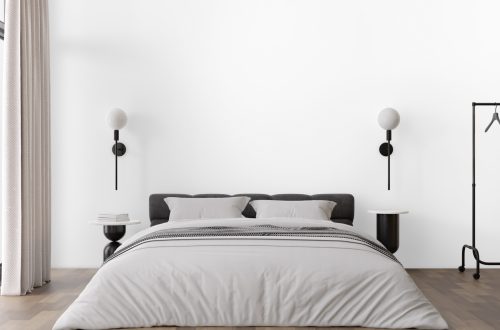
In bedrooms, the gentle illumination promotes relaxation and a sense of tranquility. In living areas, it can soften the overall lighting scheme, creating a warm and welcoming atmosphere for family and guests. It’s the kind of light that encourages conversation and a sense of unhurried time. The walls themselves become canvases for gentle, illuminated art.
Functionality and Implementation
Beyond aesthetics, the practical aspects of installing and maintaining enchanting English cottage core fabric wall lighting are important considerations.
Installation Considerations
Proper installation ensures both safety and the optimal effect of the lighting. This involves understanding the electrical requirements and the physical mounting of the fixtures.
Electrical Wiring and Fixture Types
Wall lighting, by nature, requires some form of electrical connection. Depending on the fixture, this could involve direct wiring into the mains electricity, or it might be a plug-in option with a cord that can be discreetly managed. The choice of bulb is also critical. Low-wattage LED bulbs are often recommended as they generate less heat, which is important for fabric-based fixtures, and they offer a warm color temperature that complements the aesthetic. The fixture type will dictate the complexity of installation, with hardwired options naturally requiring more expertise.
Placement and Scale
The strategic placement of fabric wall lights can significantly impact the room’s ambiance. Consider the height and proximity to other elements. A fixture that is too high might not provide adequate task lighting, while one that is too low could be a safety hazard. The scale of the fixture should also be appropriate for the size of the wall and the room. An oversized fixture can overwhelm a small space, while a diminutive one can be lost on a large expanse of wall.
Maintenance and Care
The natural materials used in these fixtures require specific care to maintain their appearance and longevity.
Cleaning and Fabric Care
Fabric shades and elements can attract dust and may require periodic cleaning. Gentle dusting with a soft brush or a vacuum cleaner with a brush attachment is usually sufficient. For more stubborn marks, spot cleaning with a mild detergent and water might be necessary, but it’s crucial to test this on an inconspicuous area first to avoid discoloration or damage to the fabric. Always refer to the manufacturer’s specific care instructions if available. The goal is to preserve the fabric’s texture and color.
Bulb Replacement and Longevity
Replacing bulbs in fabric wall lighting is typically straightforward, similar to other types of lamps. The longevity of LED bulbs means that replacements are infrequent, contributing to the low-maintenance nature of the fixture. When selecting replacement bulbs, it’s important to choose those that emit a warm color temperature (typically 2700K or lower) to achieve the desired soft, inviting glow. Overly cool or bright bulbs can detract from the intended cozy atmosphere.
The Psychological Impact of Enchanting English Cottage Core Fabric Wall Lighting
The appeal of this lighting style extends beyond its visual characteristics to its tangible effects on mood and well-being. It taps into deep-seated human desires for comfort, security, and a connection to nature.
Creating a Sense of Calm and Relaxation
The gentle, diffused light produced by fabric fixtures has a naturally soothing effect. Unlike the sharp, unyielding beams of some modern lighting, the soft glow washes over surfaces, creating a less visually stimulating environment. This can contribute to a reduction in stress and a greater sense of peace within the home. It’s like stepping out of a brightly lit main street into a quiet, lamplit lane.
The Evocation of Comfort and Security
The association with cottage life, often portrayed as simple, safe, and harmonious, imbues these lighting fixtures with a sense of comfort and security. The soft light, reminiscent of candlelight or hearth fire, can trigger feelings of nostalgia and familiarity, creating a feeling of being safely cocooned. This is especially valuable in modern, often fast-paced lives.
Fostering a Connection to Nature and the Handmade
The use of natural fabrics and the aesthetic inspiration drawn from rural settings inherently connect the user to the natural world. Furthermore, the emphasis on the handmade and traditional craftsmanship connects users to a lineage of human skill and dedication. This connection can foster a greater appreciation for the artisanal and the beauty of imperfection. It serves as a reminder of a slower, more deliberate way of creating and living.
The Aesthetic as a Form of Escapism
For many, the enchanting English cottage core aesthetic, including its lighting, offers a form of escapism. It provides a visual and atmospheric retreat from the pressures and complexities of modern urban life. It allows for the creation of a personal sanctuary, a space where one can disconnect from the external world and reconnect with a more peaceful, idealized existence. This is not about ignoring reality, but about creating a space that nourishes the spirit.


You May Also Like

Illuminate Your Space with a Stylish Spiral Wall Lamp
Enhance Your Space with Industrial Wire Lamp Shades